



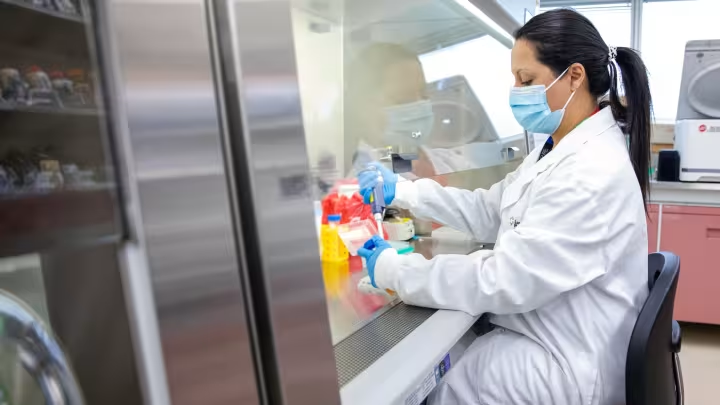
Dr. Stephen Matthews
Director of Research, Alliance for Human Development, Sinai Health
Lunenfeld-Tanenbaum Research Institute
Improving lifelong health through early intervention
Our research focuses on understanding how early-life environments shape brain development, lifelong health and disease risk. By integrating molecular, physiological, and clinical approaches, our work aims to uncover biological mechanisms that can be translated into improved outcomes for women, infants and future generations.
In particular, our focus is on how molecular changes to the mother’s and infant’s DNA, known as epigenetic regulation, influence brain development. Using advanced molecular approaches, my team also investigates key transport systems within the placenta and the blood–brain barrier that protect the fetus and the developing brain during critical windows of vulnerability. This work lays the foundation for meaningful translation—enabling the development of early diagnostics to identify infants at risk and for whom early intervention will have the greatest impact. Ultimately, our research aims to generate novel strategies that increase brain protection and prevent the long-term negative consequences of early adversity.
Complementing this discovery-driven work, our translational program evaluates whether complex, evidence-based interventions delivered before conception and throughout pregnancy can improve both pregnancy outcomes and long-term child health. I serve as the Canadian lead for a landmark international study in rural southern India as part of the Healthy Life Trajectories Initiative (HeLTI) consortium. This research has the potential to reduce the economic, societal and personal burdens of early adversity, while advancing health equity in vulnerable populations and enabling children to reach their full developmental potential.

Email: [email protected]

Room 6-1004, 25 Orde Street
Toronto, M5T 3H7

Website: Matthews Lab
Publications: PubMed
Google Scholar: Stephen Matthews
ORCID: 0000-0002-9654-9940
U of T Discover Research: Stephen Matthews
- 2026–present; President-Elect, International DOHaD (Developmental Origins of Health and Disease) Society
- 2018–present; Lead, Ontario Birth Study, Lunenfeld-Tanenbaum Research Institute, Sinai Health, Toronto
- 2017–present; Director of Research, Alliance for Human Development, Lunenfeld-Tanenbaum Research Institute, Sinai Health, Toronto
- 2013–present; Senior Investigator, Lunenfeld-Tanenbaum Research Institute, Sinai Health, Toronto
- 2004–present; Full Professor (tenured), Department of Physiology, Obstetrics and Gynaecology and Medicine, Temerty Faculty of Medicine, University of Toronto, Toronto
Former appointments
- 2023–2024; President, Society for Reproductive Investigation
- 2018–2021; Institute Advisory Board: Institute for Human Development, Child and Youth Health, Canadian Institutes of Health Research
- 2016–2023; President, Canadian DOHaD Society
- 2014–2016; Director of Research, Fraser Mustard Institute for Human Development, University of Toronto, Toronto
- 2012–2018; Chair, Endocrinology Peer-Review Panel: Canadian Institutes of Health Research
- 2009–2014; Ernest B. and Leonard B. Smith Professor and Chair, Department of Physiology, Faculty of Medicine, University of Toronto, Toronto
- 2001–2004; Associate Professor (tenured), Department of Physiology, Medicine, and Obstetrics and Gynaecology, Temerty Faculty of Medicine, University of Toronto, Toronto
- 1996–2001; Assistant Professor (tenure-stream), Department of Physiology, and Obstetrics and Gynaecology, Faculty of Medicine, University of Toronto, Toronto
- Postdoctoral fellowship, University of Toronto, Toronto; 1995–1996
- Postdoctoral fellowship, University of Toronto, Toronto; 1992–1995
- PhD, Molecular Neuroscience, University of Cambridge, Cambridge, United Kingdom; 1988–1992
- BSc Hons, Physiology, University of Nottingham, Nottingham, United Kingdom; 1985–1988
- 2026 – Barker Award Lecture: Oregon Health Sciences University, Portland, OR, USA
- 2026 – Sustained Excellence and Innovation in Undergraduate Teaching: Temerty Faculty of Medicine, University of Toronto, Toronto
- 2020 – Canada Research Chair (Tier 1), Early Development and Health, Canadian Institutes of Health Research (2020-27)
- 2019 – Fellow (elected), Canadian Academy of Health Sciences
- 2018 – Visiting Professor, Loma Linda University, Loma Linda, CA, USA
- 2014 – Cannell Lecturer: APOG (Association of Professionals in OBGYN)
- 2013 – W.T. Aikins Faculty Teaching Award: Development and Use of Innovative Instructional Methods: Physiology Online Courses, Faculty of Medicine, University of Toronto, Toronto
- 2012 – President’s Achievement Award (Research), Society for Gynecologic Investigation
- 2012 – Sustained Contribution to Excellence in Graduate Teaching: Temerty Faculty of Medicine, University of Toronto, Toronto
- 2011 – Molly Towell Memorial Lecture: Perinatal Research Society
- 2006 – Mortyn Jones Memorial Medal: Premier Award for International Contributions to Neuroendocrinology
- 2006 – Chappel Memorial Lecture: Ontario Veterinary College, University of Guelph, Guelph, Canada
- 2002 – Charlotte Branchaud Memorial Lecturer: McGill University, Montreal, Canada
- 2002 – Scholarship Award, Canadian Institutes of Health Research: External salary support
- 1999 – Premier’s Research Excellence Award (PREA): Ontario Provincial Government
- 1998 – Canadian Foundation for Innovation Researcher: New Opportunities Program, Canadian Foundation for Innovation
Fetal programming
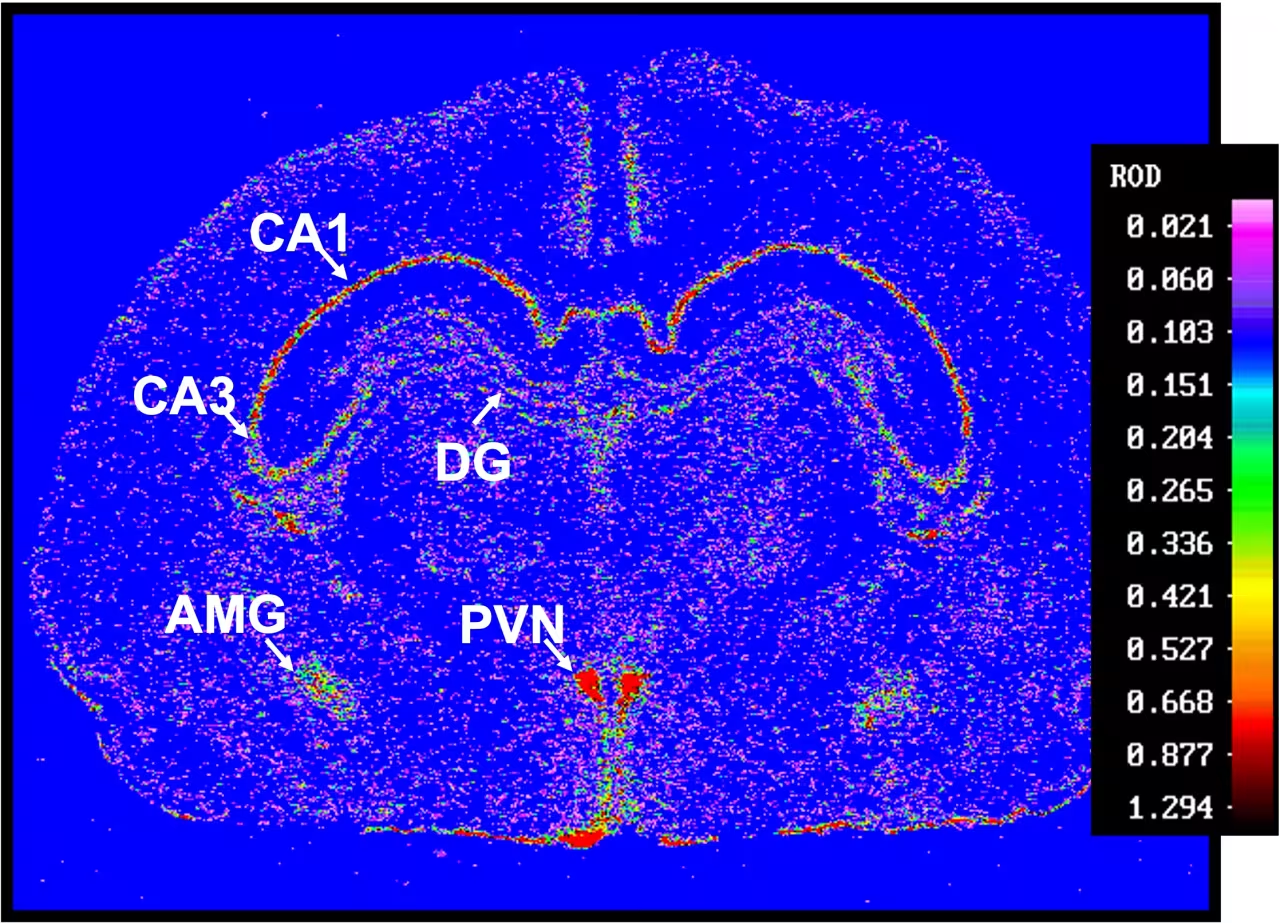
The developing brain is highly sensitive to its environment, responding dynamically to endocrine, nutritional, and chemical cues. Glucocorticoids (GCs) are essential regulators of normal brain development and are maintained at low levels throughout most of gestation. In late pregnancy, GC levels rise sharply—a critical surge that supports fetal lung maturation and the development of other organ systems, including the brain. However, premature elevation of fetal GC levels can occur due to maternal or fetal stress, or through clinical administration of antenatal corticosteroids (ACS), which are commonly used in cases of threatened preterm birth (~12% of pregnancies worldwide).
Using animal models, our work has demonstrated that early exposure to ACS induces significant and lasting alterations in the epigenetic (e.g., DNA methylation and acetylation) and transcriptional landscapes of key brain regions, including the prefrontal cortex, hippocampus and hypothalamic paraventricular nucleus. These molecular changes are associated with disruptions in hypothalamic-pituitary-adrenal (HPA) axis function and stress-related behaviours that persist into adulthood. Notably, we have identified epigenetic signatures of synthetic GC exposure and maternal adversity in the blood of human newborns, highlighting translational relevance.
Our research also reveals that these effects can be transmitted across generations. In animal models, ACS-induced changes in brain epigenetics, HPA function, and behaviour persist through both maternal and paternal lineages. Most recently, we have uncovered novel mechanisms of paternal transmission involving altered microRNA (miRNA) profiles within small extracellular vesicles (sEVs) derived from the epididymis.
Fetal protection
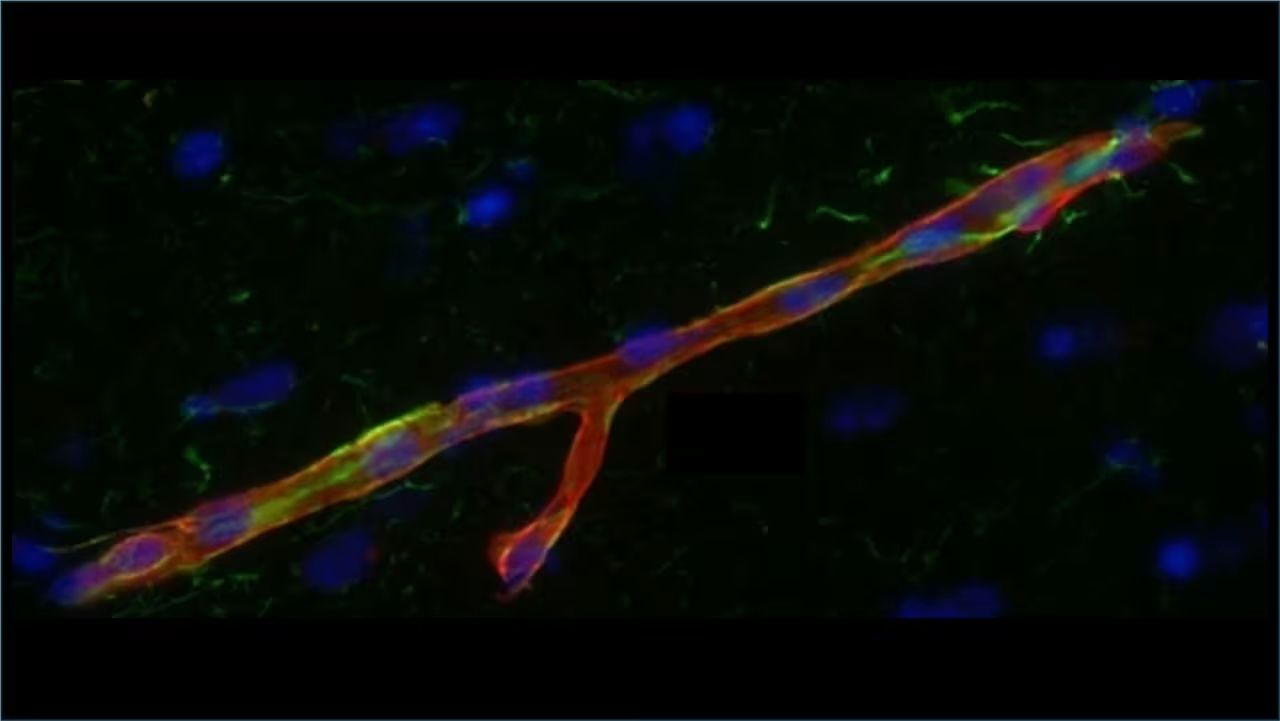
The placenta and fetal blood–brain barrier (BBB) play critical roles in protecting the fetus from potentially harmful substances in maternal circulation. Key to this protection are P-glycoprotein (P-gp) and breast cancer resistance protein (BCRP), initially identified in cancer cells but now recognized as essential components of physiological barrier systems.
Our work has shown that P-gp expression declines markedly in the placenta in late gestation, while simultaneously increasing in the developing BBB—an adaptive shift that supports protection in the transition to neonatal life. We have investigated the molecular regulation of P-gp and BCRP and are currently elucidating the roles of astrocytes and pericytes in modulating BBB function. Importantly, we have identified novel factors that significantly influence transporter activity.
Most recently, using preclinical models, we have demonstrated that antenatal corticosteroid exposure leads to sex-specific reductions in P-gp expression and function in the offspring BBB. These findings have substantial clinical implications: nearly half of the medications administered in neonatal intensive care units (NICUs) are substrates of P-gp.
Collectively, this research is advancing our understanding of how protective mechanisms at the BBB are regulated during development. This knowledge is especially critical in the context of pregnancy complications, where the placental barrier may be compromised, and in preterm infants, who are particularly vulnerable to neurotoxicity.
Improving women’s and infant health
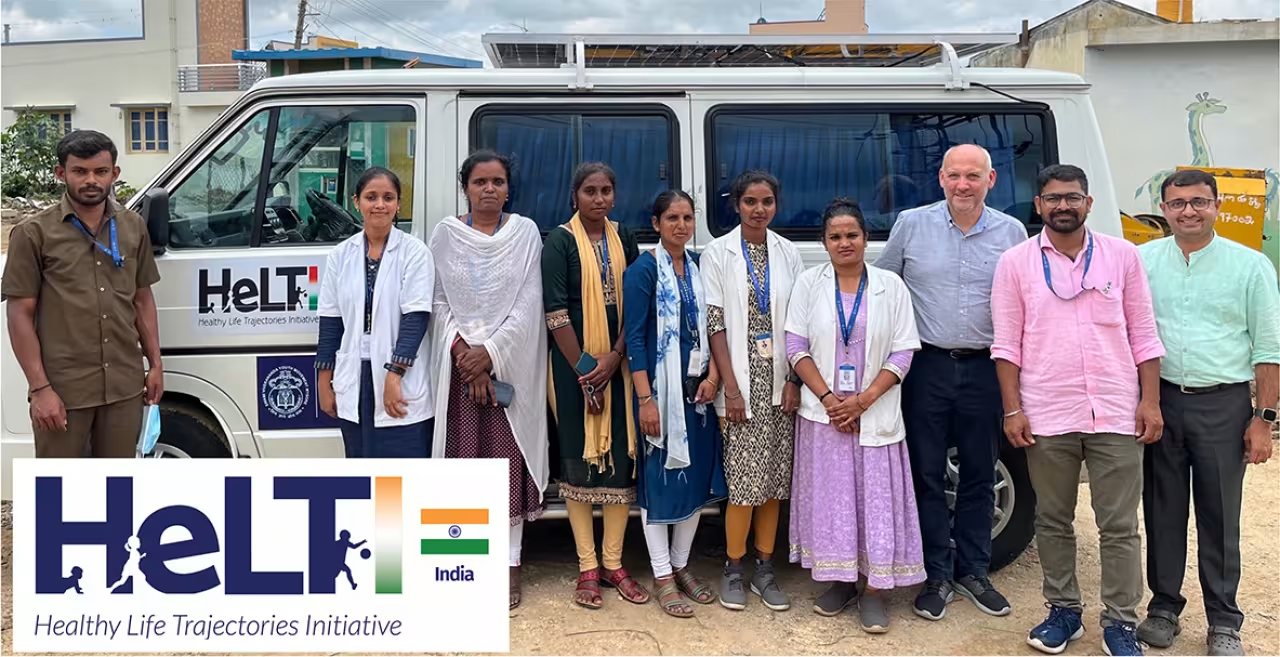
A central goal of my research program is to translate scientific discovery into measurable improvements in health outcomes for women and children. I am actively involved in several large international clinical trials and currently lead a major preconception intervention study in Southern India as part of the Healthy Life Trajectories Initiative (HeLTI). HeLTI is a global consortium supported by CIHR, the National Natural Science Foundation of China, India’s Department of Biotechnology, and the Medical Research Council (South Africa), in partnership with the World Health Organization. With an initial investment of $50 million, the initiative spans Canada, China, India, and South Africa.
The program evaluates a comprehensive, multi-sectoral intervention beginning preconception and continuing through pregnancy and early childhood. Its goals are to reduce childhood adiposity, enhance early child development, and lower the risk of non-communicable diseases (www.helti.org).
The HeLTI-India trial, conducted in rural Mysore in collaboration with Drs. Kumaran and Kumar, completed recruitment of more than 5,600 women prior to conception in February 2026. Intervention delivery, follow-up and outcome analyses are ongoing, with completion anticipated by 2032. In addition to deep clinical phenotyping, the study includes extensive longitudinal biospecimen collection, enabling detailed mechanistic investigations.
Cancer diagnostics
Building on our work characterizing miRNA cargo in small extracellular vesicles (sEVs) from the epididymis (Fetal Programming), we initiated a collaboration with Dr. Keith Jarvi (Mount Sinai Hospital) to develop non-invasive diagnostic markers for prostate cancer using sEVs isolated from semen. This approach aims to improve early detection and reduce reliance on invasive prostate biopsies, which carry a risk of significant complications. Our work in this area has the potential to transform prostate cancer screening and diagnostic strategies.
We are always looking for motivated researchers to join our team.
Postdocs
Our research group is always interested in recruiting highly motivated postdoctoral fellows with a strong publication record in the area of Developmental Origins of Health and Disease (DOHaD). Please forward your CV, references and research interests to Stephen G. Matthews.
Graduate students
Our research group is part of the Department of Physiology at the Temerty Faculty of Medicine at U of T, which requires that a supervisor be identified before admission to the graduate program. Graduate students interested in doing a PhD in the laboratory/group should first contact Stephen G. Matthews directly.
Summer students
Summer students are exclusively selected from successful applicants to the Research Training Center (RTC) at the Lunenfeld-Tanenbaum Research Institute. Applications are available online and need to be filled by February 28th of each year.
Notable publications
International Journal of Epidemiology, 2026
Trends in Endocrinology & Metabolism, 2025
Translational Psychiatry, 2024
Cellular and Molecular Life Sciences, 2022
BMJ Open, 2021
Join our team
Visit our job board to see research positions.