



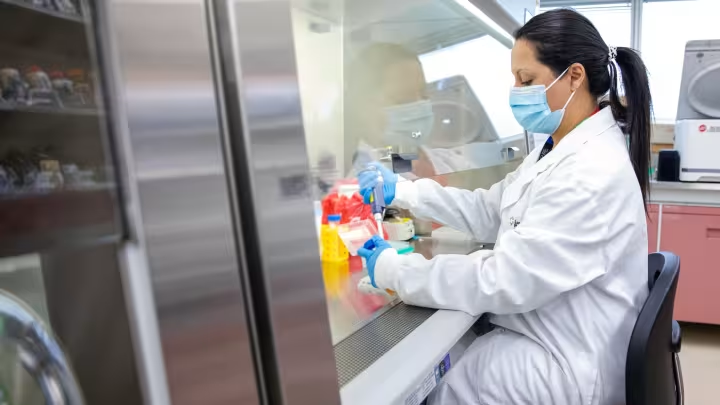
Dr. Katherine Stewart
Lunenfeld-Tanenbaum Research Institute
How stem cell clearance of dying cells regulates tissue maintenance and disease
Every day, our bodies lose billions of cells as a part of normal tissue maintenance, with millions of cells dying each hour. To keep tissues healthy, adult stem cells step in to replace lost cells by dividing and creating new ones. Yet we know strikingly little about how stem cells react when their neighbouring cells die – in either healthy tissues or during disease.
Recently, we made the exciting finding that hair follicle stem cells transiently switch on a gene program that allows them to engulf and clear away nearby dying cells. This eating behaviour helps protect the hair follicle from unwanted immune responses and keeps the tissue in balance.
Our focus now is to understand why stem cells engulf dying cells during tissue maintenance and how this process contributes to disease. Ultimately, we want to understand what the clearance of dying cells by stem cells means for human health and its implications for treatment. To do this, we use sophisticated genetic, molecular, and imaging techniques in organoids, mouse models and human patient samples.
Our research develops a new concept in stem cell biology: that clearing away dying cells is not just cleanup, but that it actively shapes how stem cells function. When this process goes wrong, it may contribute to diseases such as squamous cell carcinoma, a type of skin cancer and alopecia areata, a form of hair loss. Our research will uncover fundamental mechanisms which dictate stem cell behaviour in health and disease and could identify new ways to treat disease by targeting these processes.

Email: [email protected]

Room 5-1004-2, 25 Orde Street
Toronto, M5T 3H7

Publications: PubMed
Google Scholar: Katherine Stewart
ORCID number: 0000-0003-3227-982X
- 2025–present; Investigator, Lunenfeld-Tanenbaum Research Institute, Sinai Health, Toronto
- 2025–present; Assistant Professor, Department of Molecular Genetics, University of Toronto, Toronto
- Visiting Assistant Professor, Laboratory of Mammalian Cell Biology and Development, Rockefeller University, New York, USA; 2025
- Postdoctoral Fellowship with Dr. Elaine Fuchs, Rockefeller University, New York, USA; 2016–2024
- PhD (Biochemistry), McGill University, Montreal, Canada; 2008–2016
- BSc (Honours, Biochemistry), Queen’s University, Kingston, Canada; 2004–2008
- 2025 – Canada Research Chair in Stem Cell Biology
- 2024 – Jurgen Schweizer Prize, 13th World Congress for Hair Research
- 2020–2023 – New York Stem Cell Foundation Druckenmiller Postdoctoral Fellowship
- 2017–2020 – Canadian Institute of Health Research (CIHR) Postdoctoral Fellowship
- 2016–2017 – Women & Science Postdoctoral Fellowship, Rockefeller University
- 2014–2015 – Rolande and Marcel Gosselin Graduate Studentship, McGill University
- 2011–2014 – Fonds de la Recherche en Santé du Québec (FRSQ) Doctoral Training Award
- 2009–2011 – Fonds de la Recherche en Santé du Québec (FRSQ) Master’s Training Award
- 2008–2009 – National Research Council of Canada (NSERC) Master’s Scholarship
Stem cell-mediated apoptotic cell clearance in homeostasis
Clearance of apoptotic corpses, also known as efferocytosis, is essential to maintain the health of our tissues, with failure to detect and engulf dying cells linked to development of chronic inflammation and auto-immune disease. Phagocytic duties, referring to the engulfment and processing of materials, are executed by both motile cells of the immune system, such as macrophages or dendritic cells, the so-called professional phagocytes, and non-motile epithelial, mesenchymal and endothelial cells that make up each tissue in the body, or non-professional phagocytes.
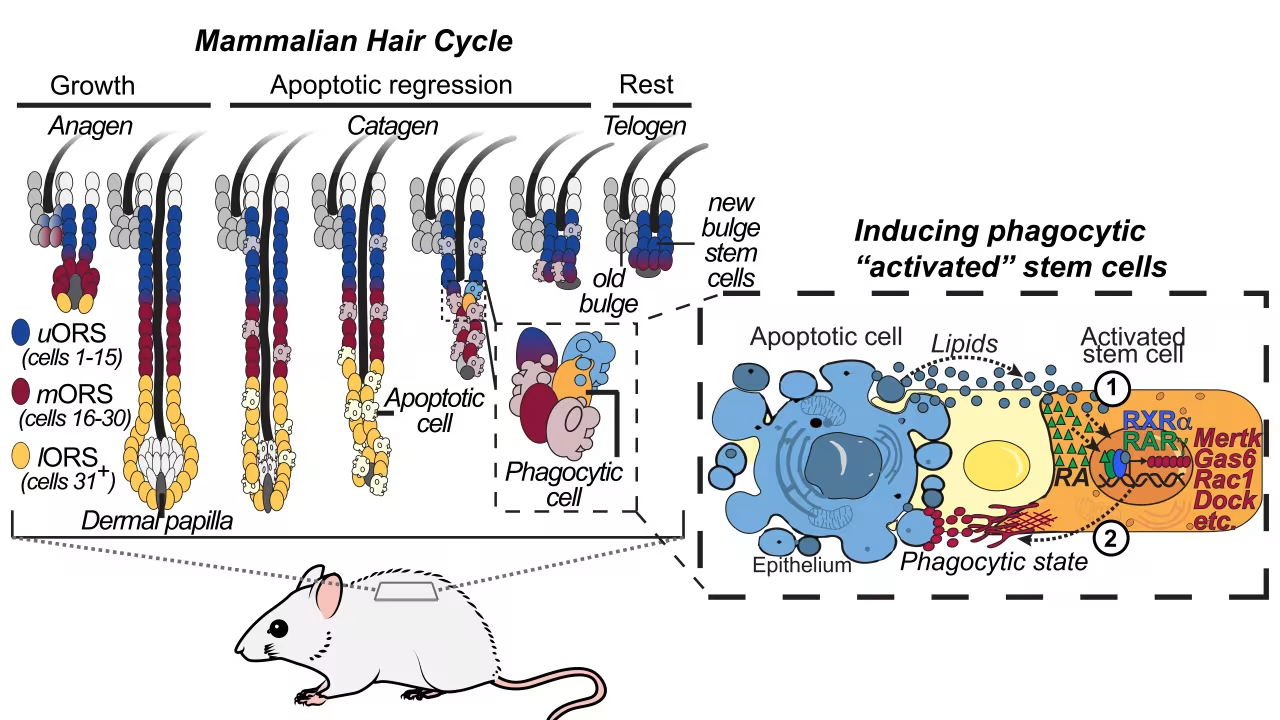
Recently, we have added to the non-professional phagocyte milieu, showing that hair follicle stem cells transiently sense apoptotic corpses, upregulate phagocytic machinery, and eat the dying cells. Despite the importance of this process to human health, our understanding of how apoptotic cell clearance is coordinated within a tissue and the intrinsic impact it has on cells is still in its infancy.
Thus, one aim of our lab is to comprehensively ask why stem cells engulf apoptotic corpses, instead of leaving it to professional phagocytes. To do so, we will investigate the following questions, using mammalian skin as a model:
1. What do stem cells do with corpse-derived metabolites?
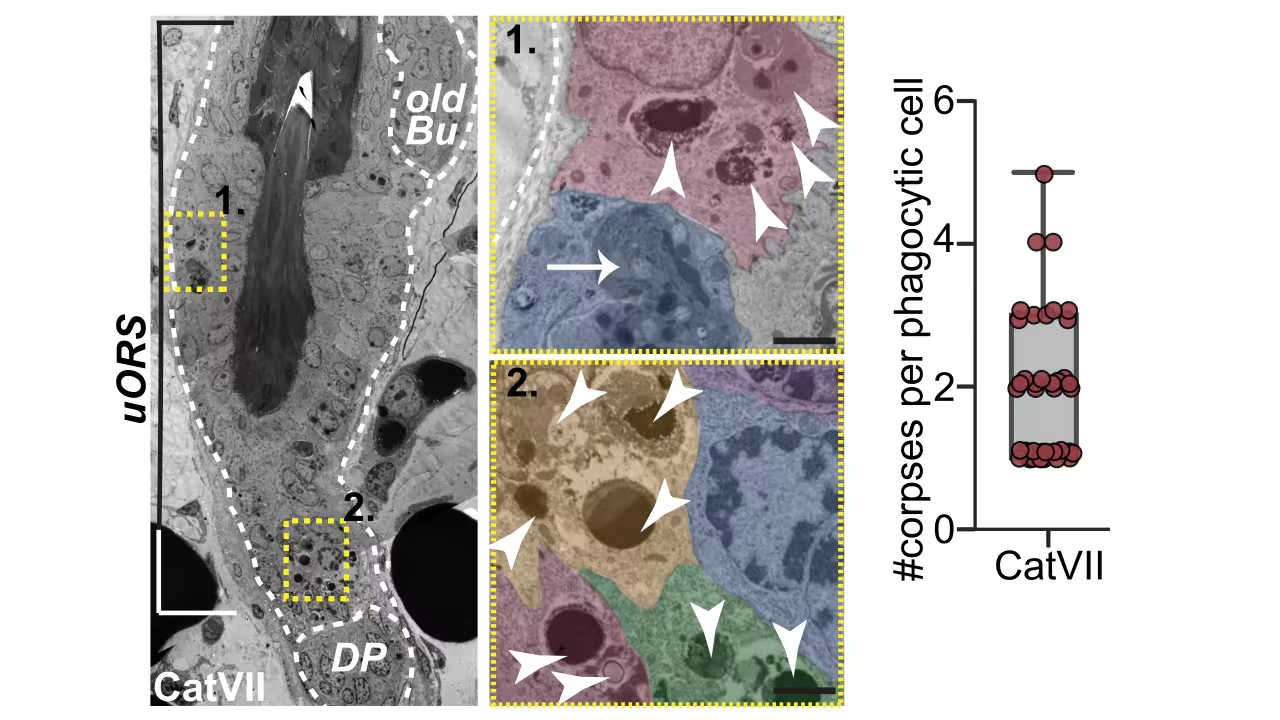
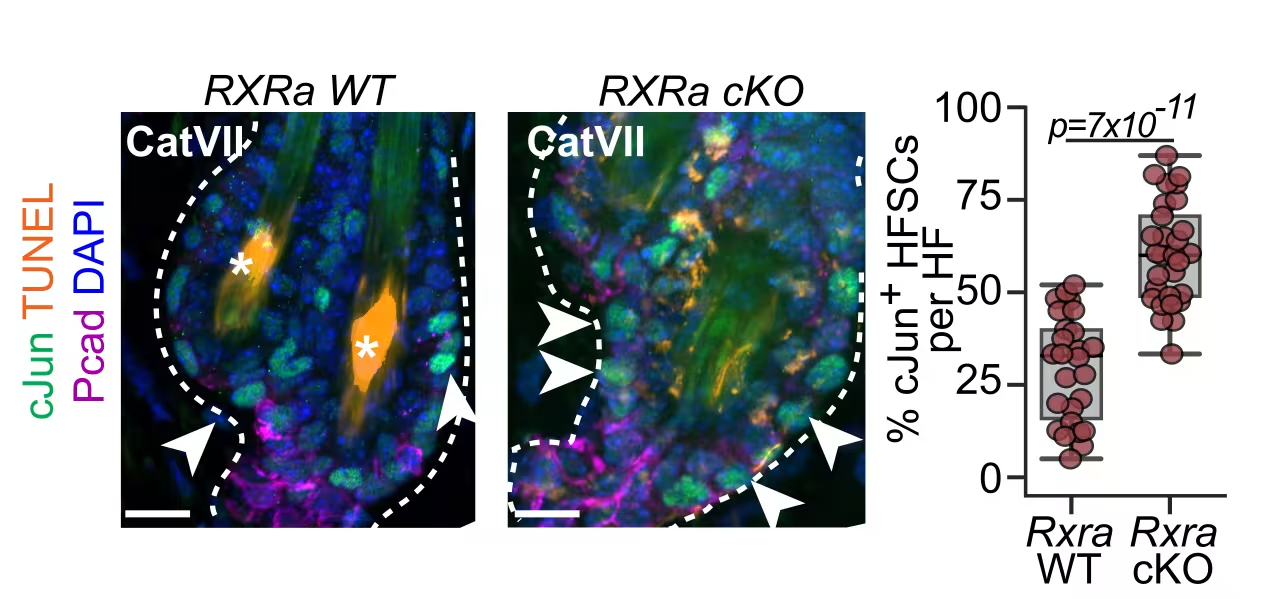
For professional phagocytes apoptotic corpse clearance is a risky business: they expose themselves to stressful environments and engulf dying cells to an excess that they are unable to cope metabolically and die themselves. In contrast, we have shown that engulfing apoptotic corpses is not fundamentally detrimental to hair follicle stem cells (HFSCs), and that they in fact “eat” multiple corpses (Fig. 2). This poses the intriguing possibility that HFSCs have adapted to the influx of corpse-derived metabolites and may use them to fuel subsequent stem cell behaviors like proliferation or differentiation.
Importantly, the metabolic pathways that drive stem cell behavior in the hair follicle and how they are influenced by their surroundings are still largely unclear. Thus, functionally characterizing what stem cells do with corpse-derived metabolites during homeostasis is of both broad significance to our basic understanding of tissue biology and sets the stage for mechanistic understanding of stem cell dysfunction in aging and diseases.
2. How do stem cells and professional phagocytes coordinate apoptotic cell clearance?
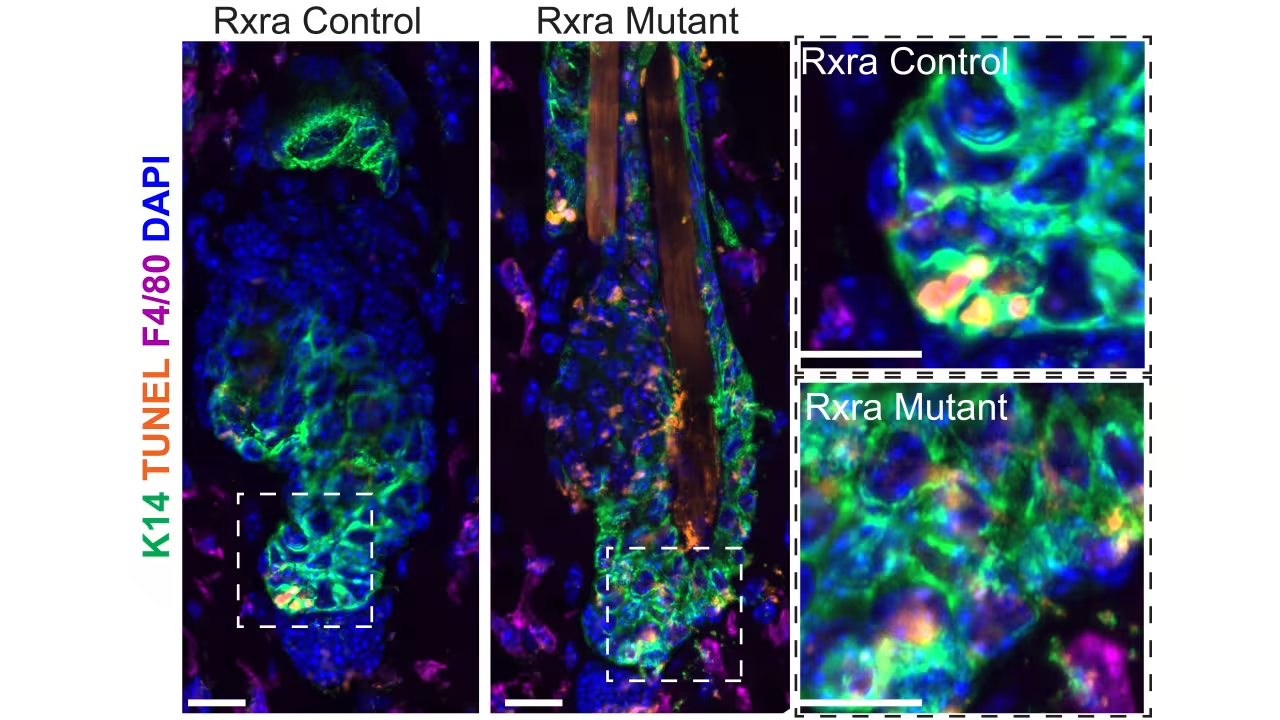
A second facet for why HFSCs engulf apoptotic corpses in homeostasis lies in the lack of nearby professional phagocytes in their immediate environment, or the niche. We have previously demonstrated that in the absence of HFSC-mediated corpse engulfment professional phagocytes are able to eventually compensate, but with greatly delayed kinetics and damage to the hair follicle.
Furthermore, the coordinated clearance of dying cells is important to skin homeostasis, as prolonged exposure to necrotic debris compromises stem cell health. Previous work from others has established that professional phagocytes can suppress epithelial cell-mediated engulfment; what epithelial cells “say” in return and how that influences cell behaviour in any tissue context is unknown.
Investigating the molecular circuits that govern stem cell coordinated apoptotic cell clearance during homeostasis in the skin will contribute to our basic understanding of how tissue homeostasis is maintained in the face of cyclic periods of cell death and is a prerequisite to dissecting how it goes awry in disease.
Stem cell-mediated dying cell clearance in disease
Mammalian hair follicles cycle repeatedly throughout life, building new hair follicles and producing hair before destroying ~80% of the follicle through apoptosis and entering a resting (“quiescent”) state. With each cycle of rest, growth and destruction, hair follicle stem cells (HFSCs) reactivate their phagocytic program to clear apoptotic corpses (Fig. 4). This suggests that HFSCs may harbour the ability to engulf dying cells, wherever and whenever they encounter them.
Pathological skin conditions in which stem cells may encounter dying cells, like alopecia areata (hair loss or balding), or squamous tumour growth, are associated with substantial cell death but how this aberrant death and clearance of the corpses contribute to pathology remains an open question.
To address this, our lab proposes to investigate stem cell-mediated apoptotic cell clearance under the following situations:
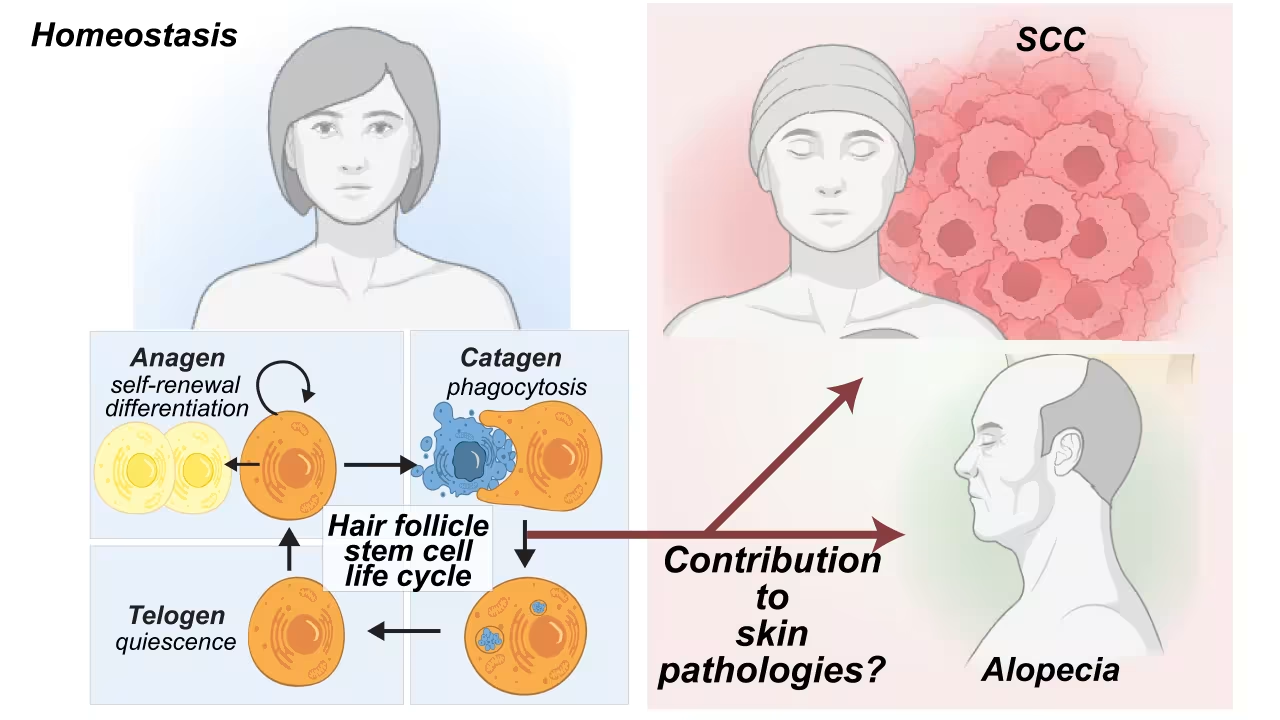
1. How does apoptotic corpse clearance contribute to alopecia areata?
Alopecia areata is the most common autoimmune disease, affecting ~2% of the population, and results in patches of hair loss that can coalesce to total baldness. It is associated with loss of immune privilege of the hair follicle, resulting in T-cell and natural killer cell infiltration and destruction of the lower hair follicle. Of note, alopecia areata patients have high levels of circulating autoantibodies against hair follicle proteins that drive T-cell attack against the follicles, but how and why this state occurs is unknown.
We have previously demonstrated that the failure of HFSCs to engulf apoptotic corpses during homeostasis results in their release of necrotic damage associated molecular patterns (DAMPs) that induce inflammatory damage signalling in HFSCs and eventually results in immune infiltration of the stem cell niche. This likely results in exposure of hair follicle derived proteins, as damage-induced antigens, to the immune system, suggesting a plausible mechanism whereby hair follicle autoantibodies arise.
Our lab will investigate the contribution of stem cell-mediated apoptotic cell clearance to alopecia areata to examine the mechanisms underlying this common disease.
2. Can tumour stem cells engulf dying cells in squamous tumours?
Squamous cell carcinoma (SCC) is a common, life-threatening cancer that occurs in the epithelia of the skin, oral cavity, esophagus and lungs. Cutaneous SCC tumours arise primarily from HFSCs, making this an ideal model to examine the ubiquity of non-professional phagocytosis by transformed HFSCs in other high death situations. There is widespread cell death associated with SCC regression upon excision and/or chemotherapy, but how this affects tumour stem cell biology is unclear.
Importantly, human patient data has suggested that the persistence of a tumour stem cell population is associated with SCC relapse and/or progression to metastatic disease, which is associated with poor prognosis. In general, dying tumour cells are assumed to be cleared by tumour associated macrophages, but tumour “cell-in-cell” incidences are common in pathologists’ reports of SCC suggesting that tumour cells are also phagocytic.
This understudied aspect of tumour cell biology suggests both potential intrinsic and extrinsic effects on tumour stem cells; akin to normal HFSCs, tumour stem cells may metabolically benefit from corpse ingestion to fuel proliferation and avoid immune surveillance. Thus, investigating the contribution of stem cell-mediated apoptotic cell clearance to SCC tumour biology will provide much needed clarity on how dying cells are cleared in the tumour microenvironment and how tumour cells benefit from this.
Pathological states may co-opt the homeostatic stem cell responses in a maladaptive manner, such that targeting these regulatory modules may indicate future therapeutic avenues for exploration.
We are always looking for motivated researchers to join our team.
Postdocs
Our research group is always interested in recruiting highly motivated postdoctoral fellows with a strong publication record in stem cell biology, cell death, immunology, disease biology, or molecular genetics. Please forward your CV, references, and research interests to Katherine Stewart at [email protected].
Graduate students
Our research group is part of the Department of Molecular Genetics, in the Temerty Faculty of Medicine at U of T, which has a central admission committee and a rotation system. Graduate students interested in doing a MSc or PhD in the laboratory must first be accepted in the Department of Molecular Genetics.
Summer students
Summer students are exclusively selected from successful applicants to the Research Training Center (RTC) at the Lunenfeld-Tanenbaum Research Institute. Applications are available online and need to be filled by February 28th of each year.
Notable publications
Nature, 2024
Science, 2024
Nature, 2022
Genes & Development, 2020
PNAS, 2017
Join our team
Visit our job board to see research positions.