


Creating possibilities: Dr. Gary Newton reflects on a decade of leadership
“There is no status quo in an academic health sciences centre. You are always working towards the next horizon.”
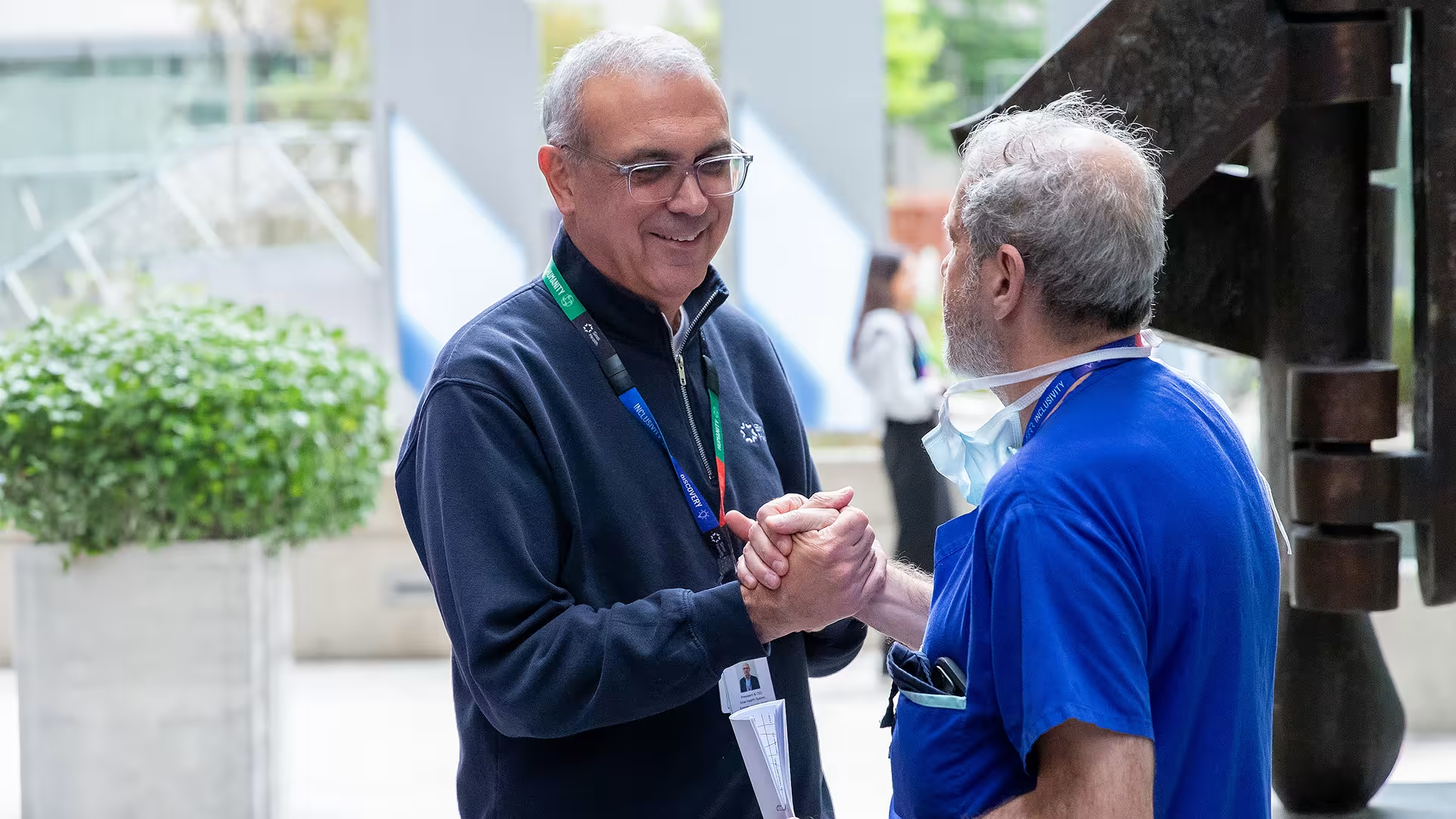
For Dr. Gary Newton, that belief has shaped a decade as President and CEO of Sinai Health. Since stepping into the role in October 2016, he has helped guide the organization through defining moments, with a continued focus on delivering high-quality care and responding to the changing needs of the health-care system.
Early in his tenure, that included furthering the integration of Mount Sinai and Hennick Bridgepoint Hospitals, while looking more broadly at how Sinai Health could continue to grow as an organization. Over the years that followed, his leadership would span significant developments in care, research and discovery, as well as the extraordinary challenges of the COVID-19 pandemic.
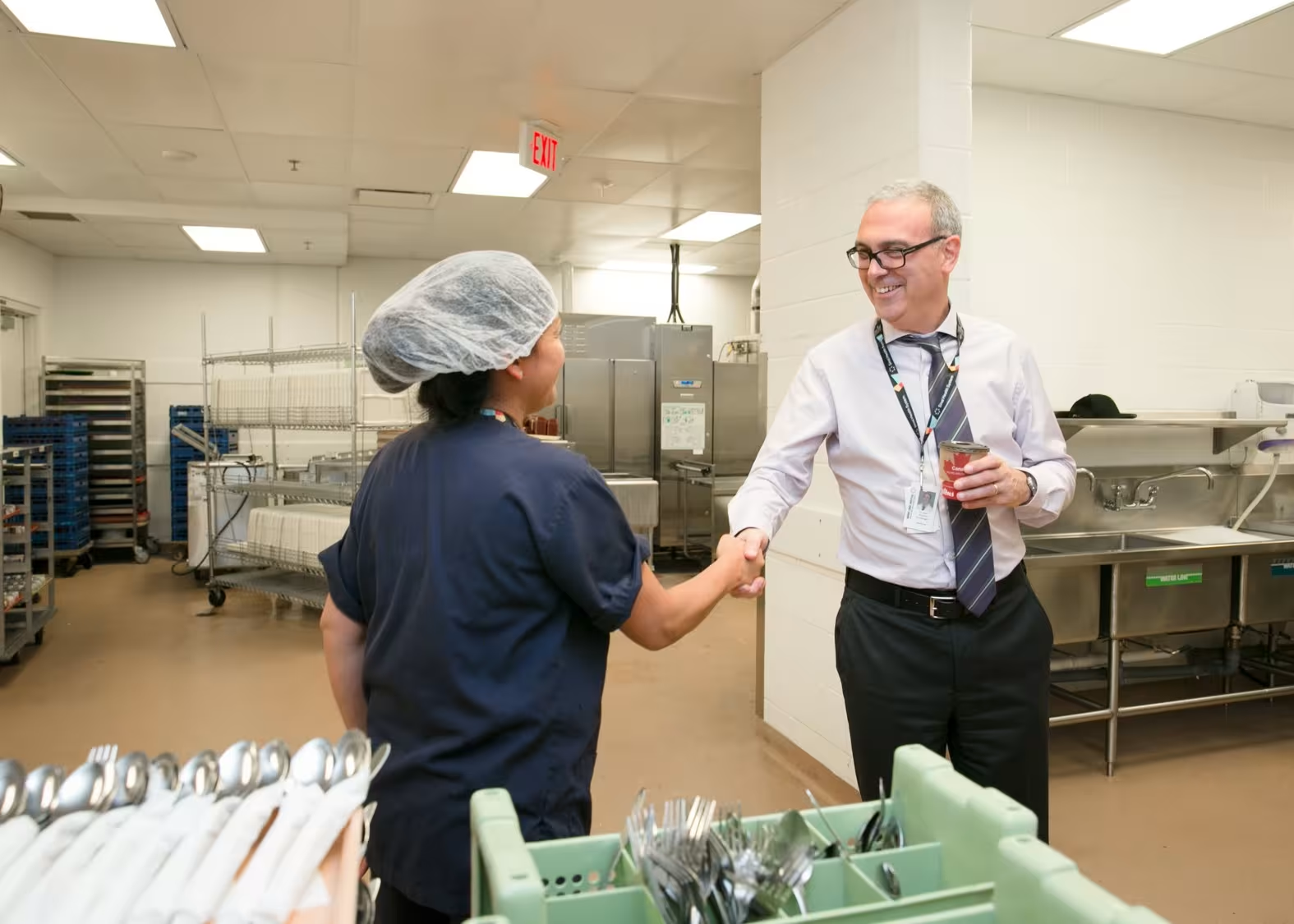
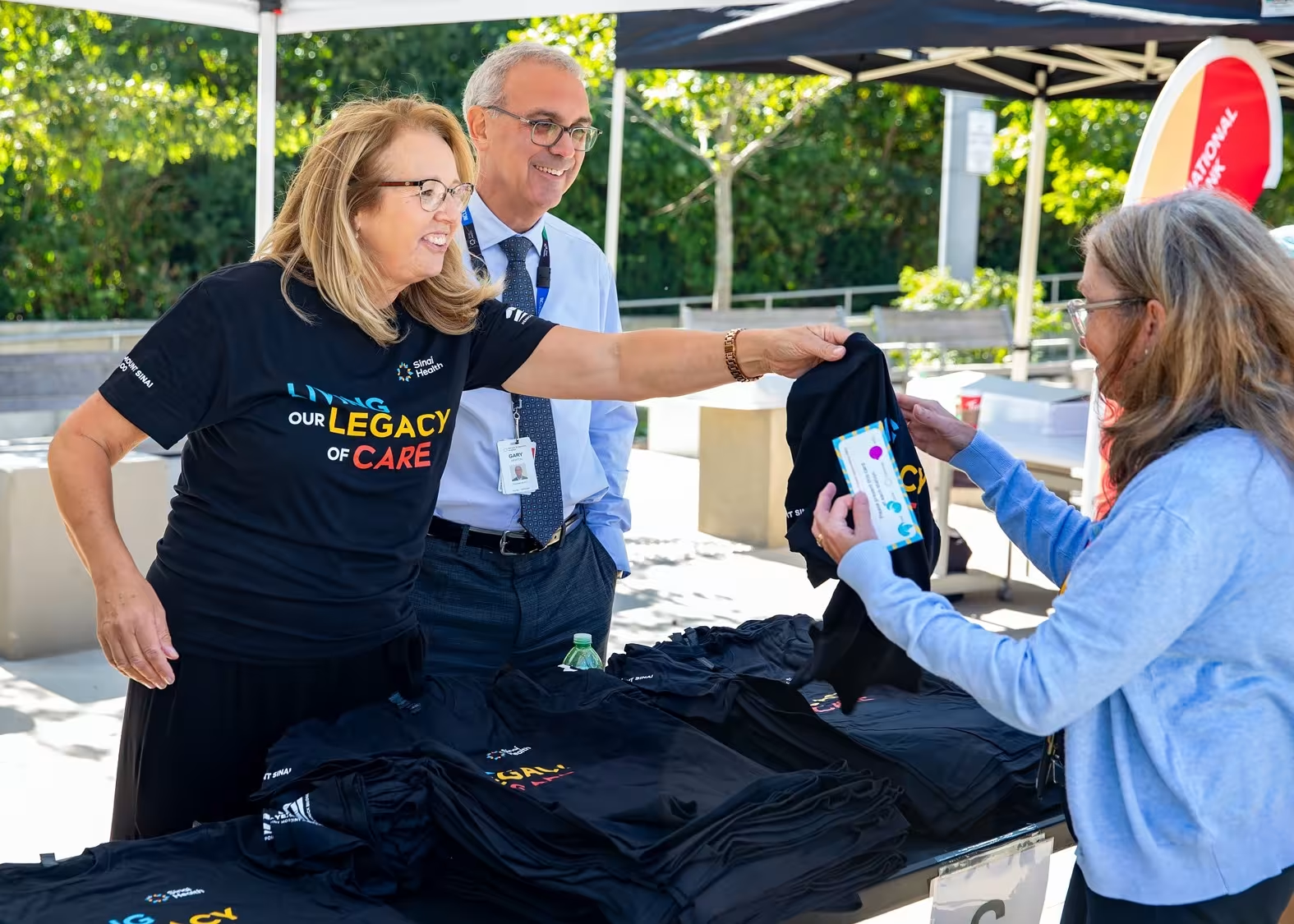
For Dr. Newton, the people of Sinai Health have always been at the centre of this work.
“The hospitals are not the buildings,” he says. “The hospitals are our people.”
Complementary by design
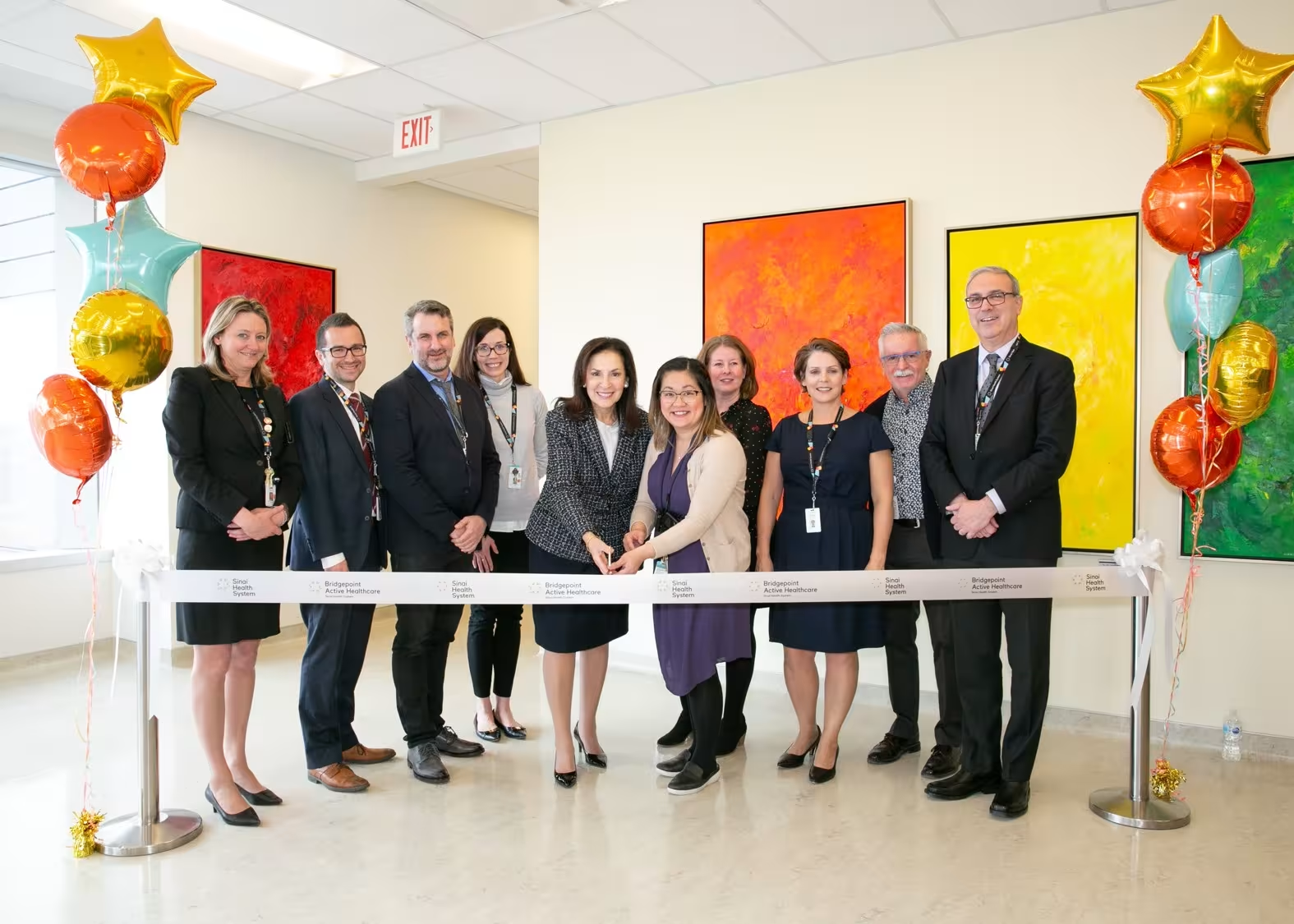
Sinai Health was formed in January 2015 through the amalgamation of Mount Sinai and Hennick Bridgepoint Hospitals. Dr. Newton was part of the leadership team involved in that work before becoming President and CEO the following year.
He describes the fit as a “right-hand glove, left-hand glove” – two organizations with distinct expertise and histories whose capabilities uniquely complement one another. As CEO, he continued to build on that foundation, encouraging greater collaboration between teams while preserving the culture people valued at each hospital.
“We never lost the unique identity of the two founding organizations,” he says.
Bringing those strengths together while preserving what makes each hospital distinctive is what he calls Sinai Health’s “secret sauce”.
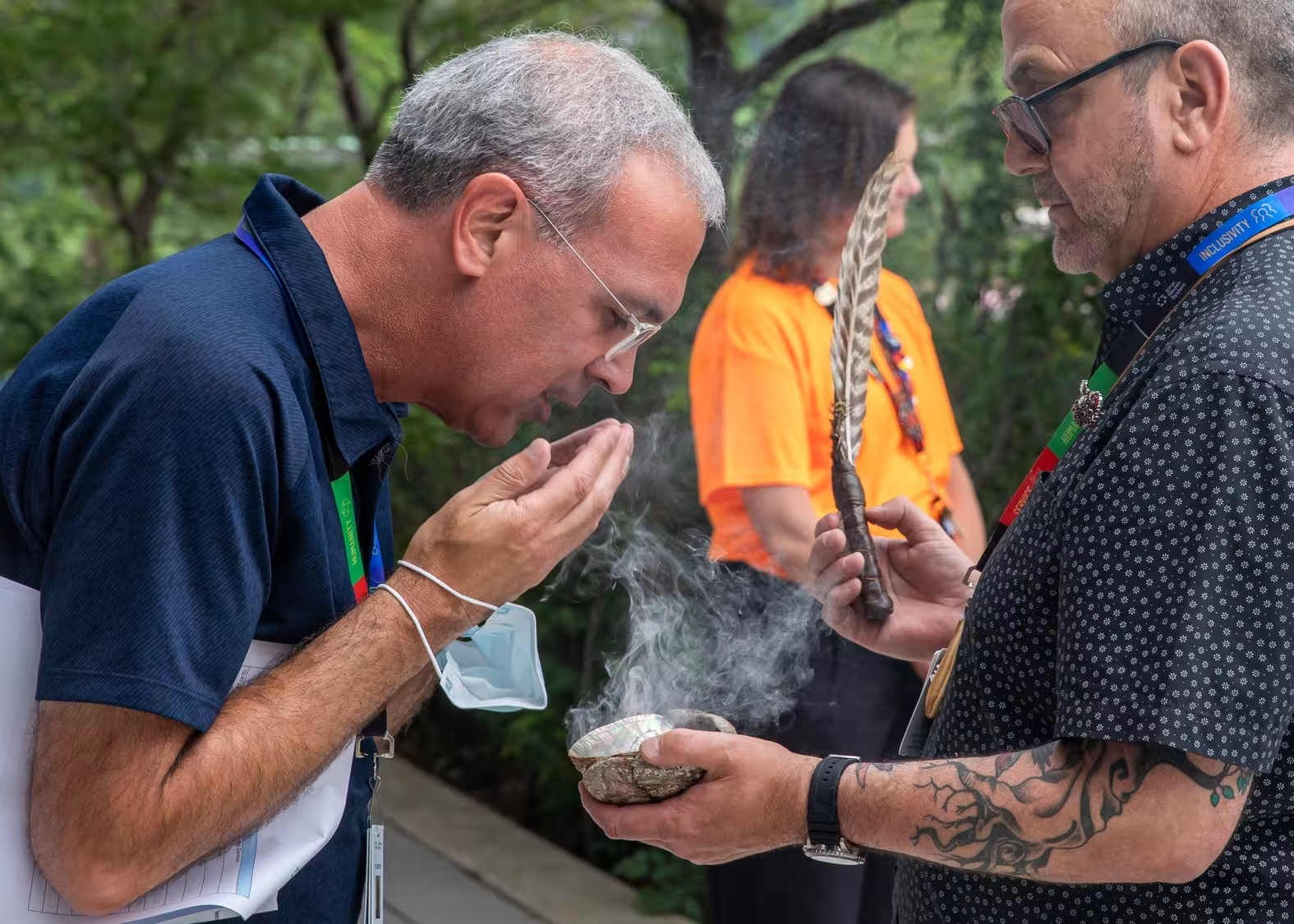
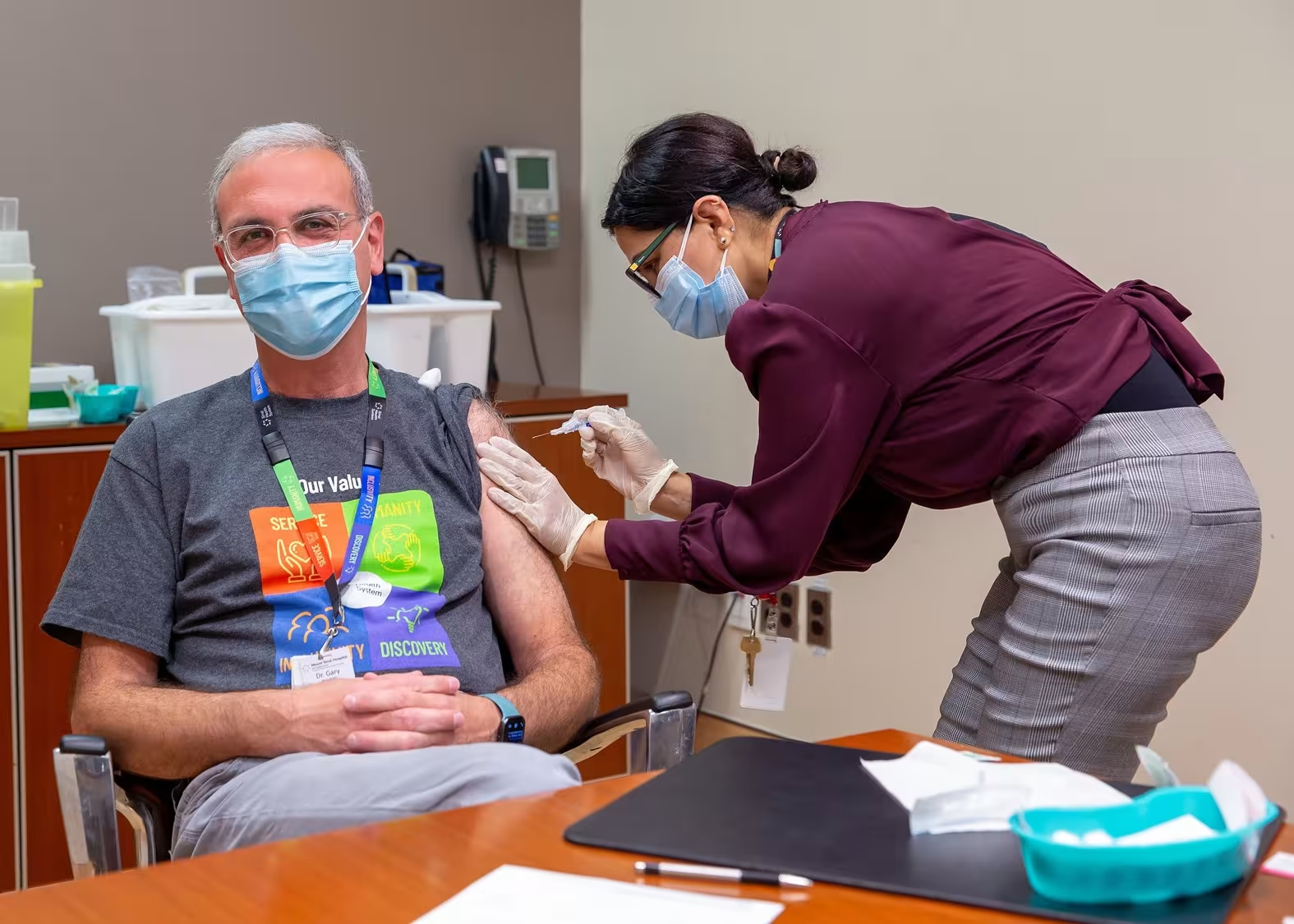
In 2019, Sinai Health established its shared Purpose – We care, create possibilities and offer hope – and Values: Service, Humanity, Inclusivity and Discovery. Shaped with input from people across the organization, they provided a common foundation for how people approached their work.
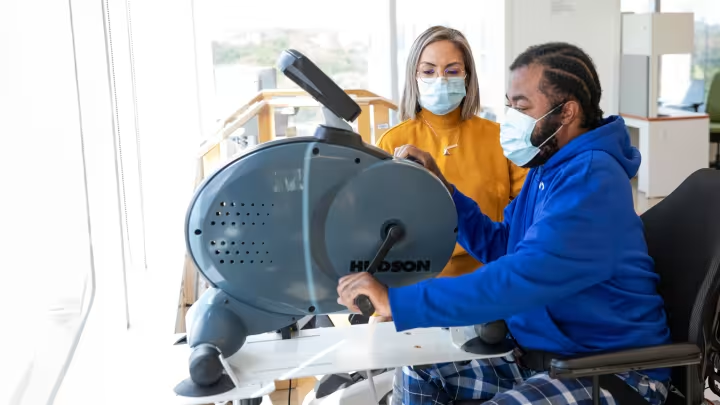
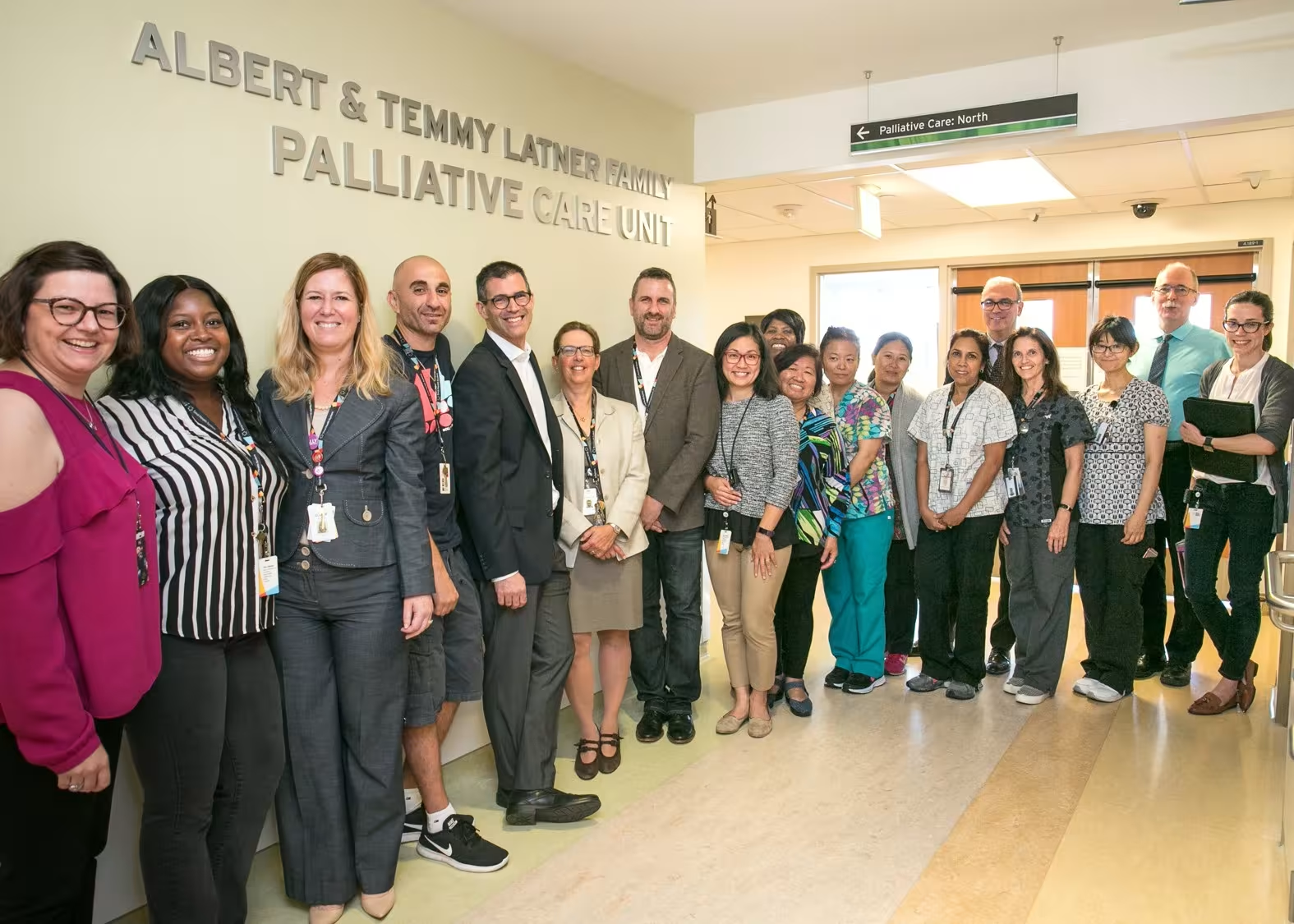
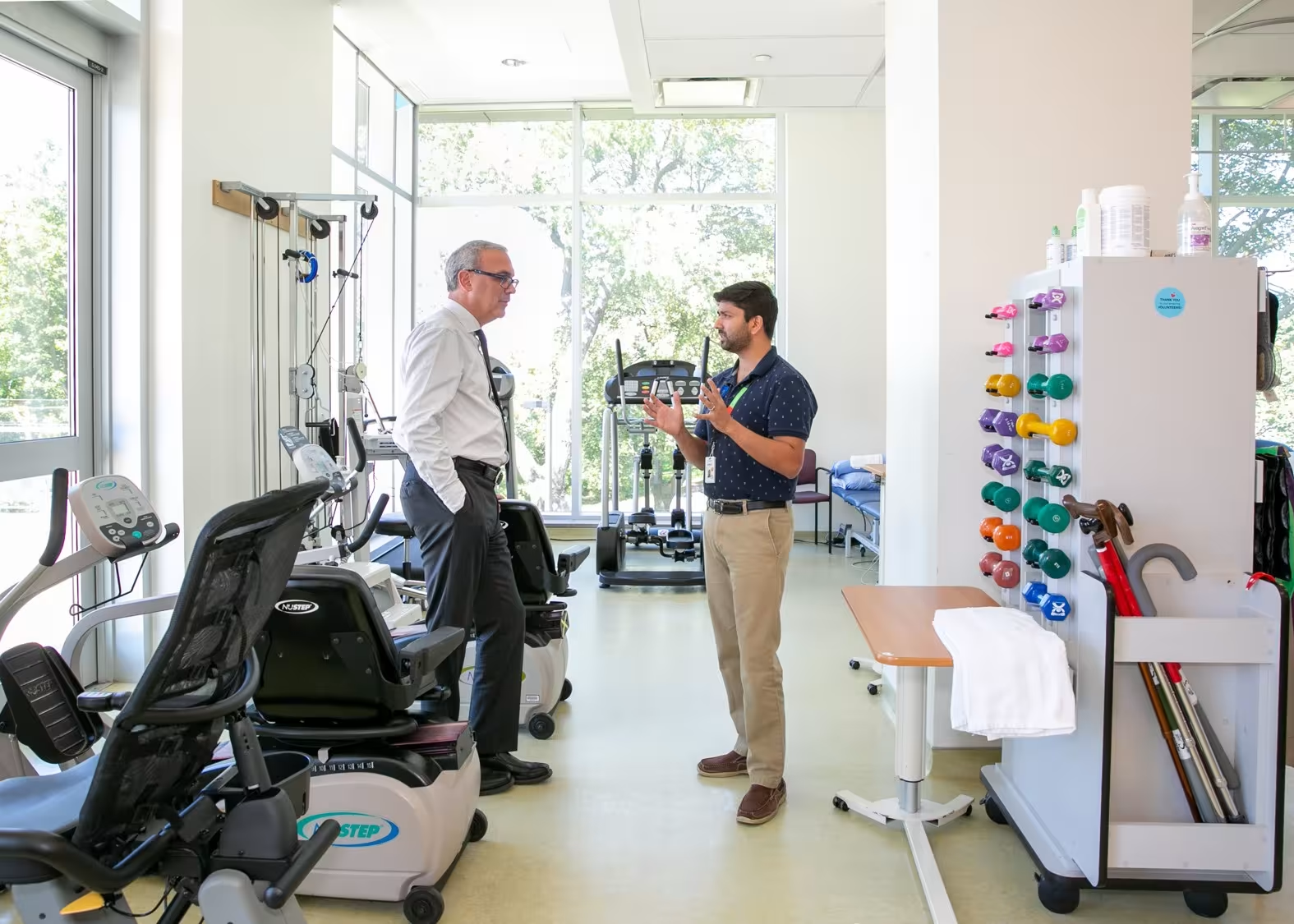
New opportunities emerged to build on each hospital’s strengths. Patient pathways connected acute care at Mount Sinai with rehabilitation and complex continuing care at Hennick Bridgepoint, while expanded capacity strengthened care for patients with complex health conditions.
Throughout this period, Dr. Newton encouraged collaboration across programs and sites, with an emphasis on creating a more seamless journey for patients.
Navigating an evolving landscape
Those connections took on new importance during the COVID-19 pandemic, as Dr. Newton and Sinai Health’s leadership team guided the organization through unprecedented times.
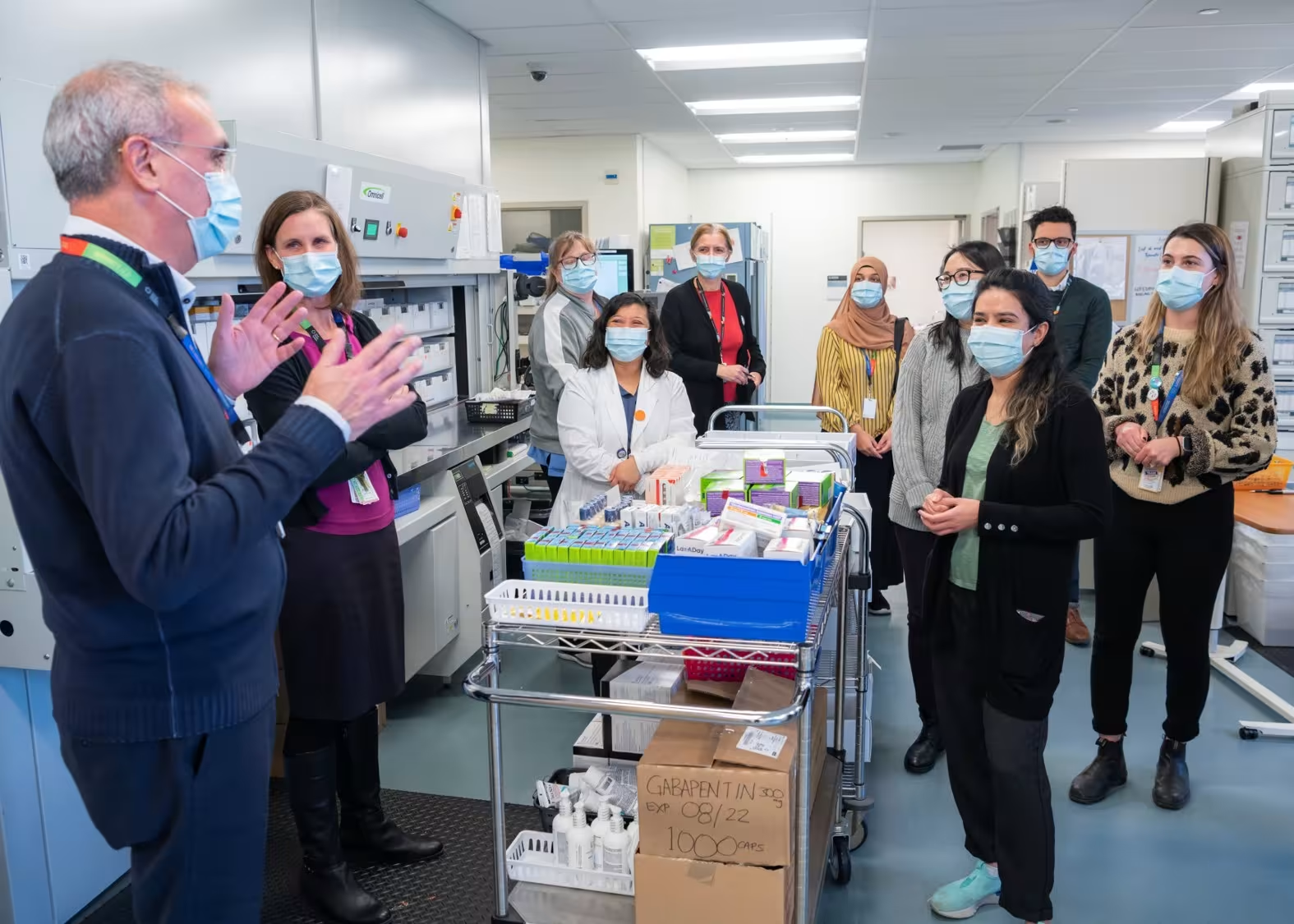
Leadership during that period meant being visible and communicating often. Dr. Newton and other leaders participated in at one point, weekly town halls to share the latest information and reinforce messages about safety, looking after one another and raising concerns when help was needed.
Teams tuned in from across the hospitals. At nursing stations, staff would sometimes put the call on speaker so they could listen while continuing their work. Years later, colleagues still mention those conversations to him.
“The pandemic showed me that we can do much more than we think we can, when we need to,” he says.
Always looking ahead
As Sinai Health continued to take shape as an integrated organization, Dr. Newton also helped set the course for its continued transformation, spanning hospital spaces, clinical care and research.
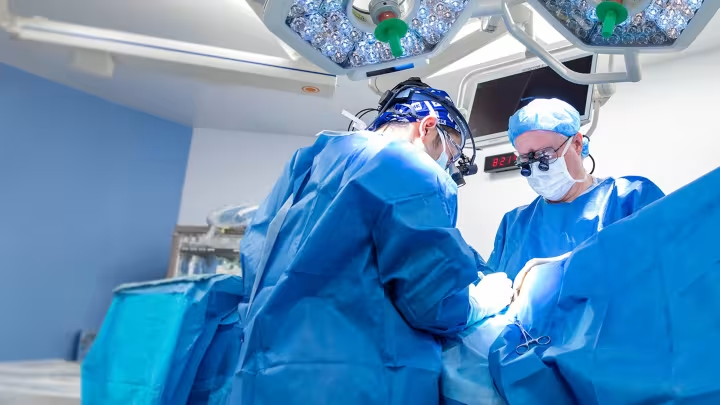
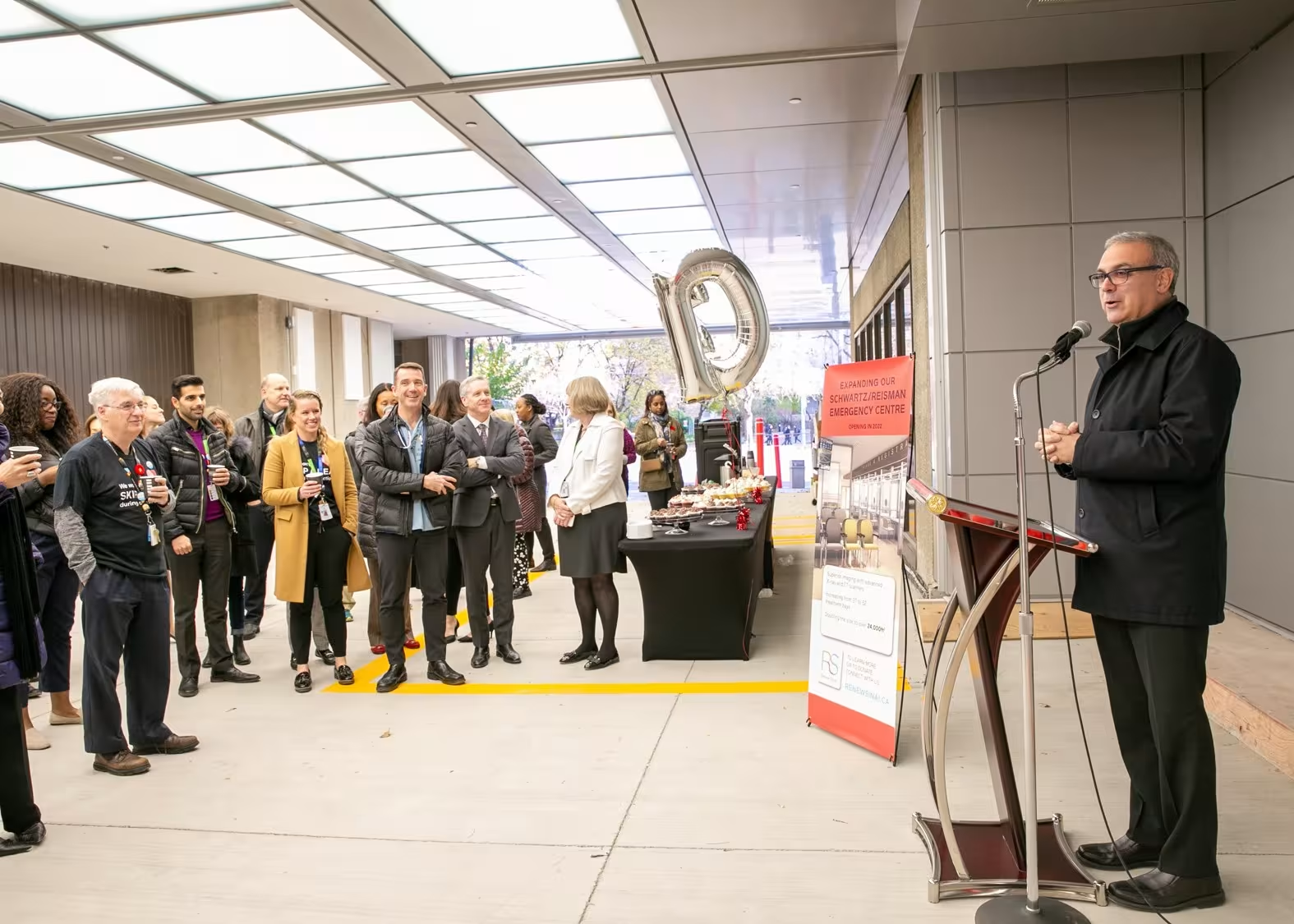
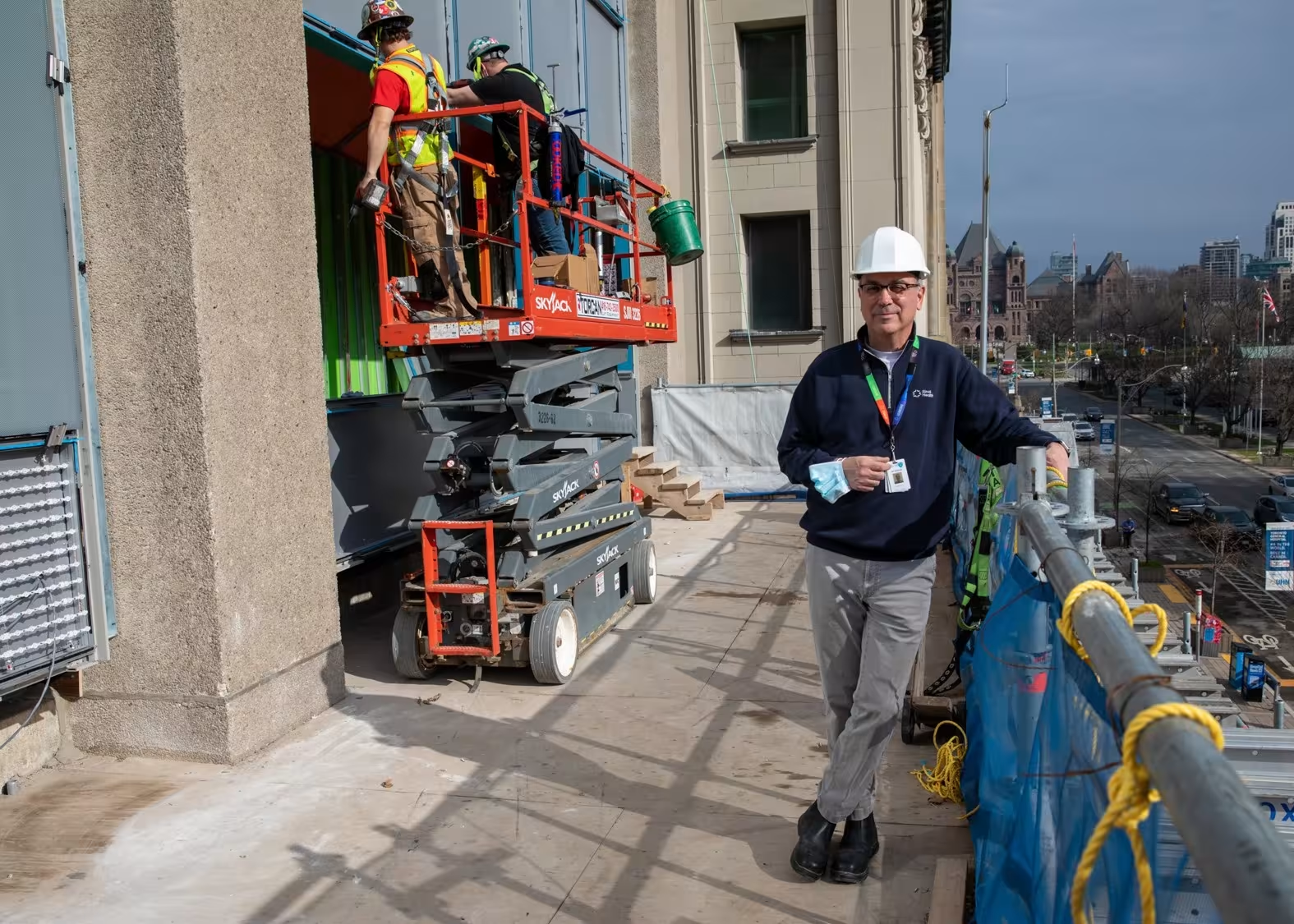
Renew Sinai redeveloped more than 300,000 square feet of Mount Sinai, encompassing areas including surgery, critical care, emergency care and General Internal Medicine. At Hennick Bridgepoint, expanded capacity and connected programs meant a greater impact for patients and the broader health-care system.
Other milestones reflected Sinai Health’s commitment to quality and the patient experience. Equity became embedded within the organization’s Quality Aims, while Mount Sinai continued its longstanding record of Magnet® recognition for nursing excellence, most recently earning re-designation with Distinction in 2026.
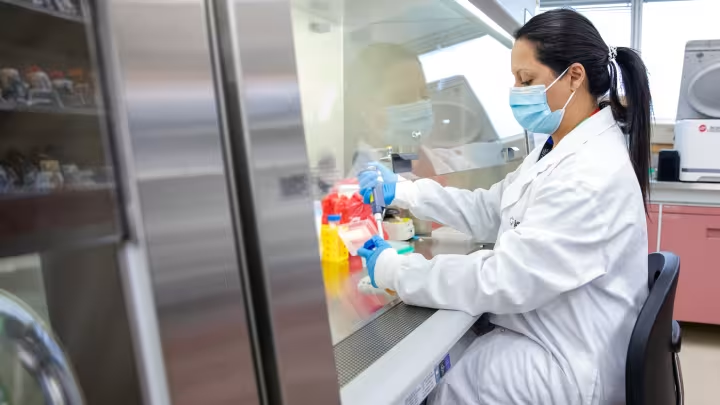
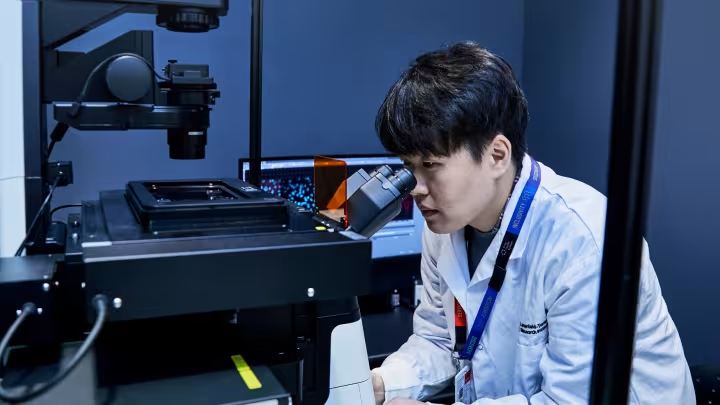
That same year, the organization also launched its first-ever Research Strategic Plan and established Mental Health and Addictions as its fifth clinical program. It also announced a partnership with Unity Health Toronto to implement Epic, its new electronic patient record (EPR) system, marking a new era of connected care.
For Dr. Newton, the significance of these milestones lies in what they enable the organization to do next. Each builds on strengths already in place, while creating new opportunities to improve care and translate discovery into better outcomes.
Opening doors for the next generation
Mentorship has remained an important part of his leadership. In conversations with high school and university students, Dr. Newton often distills his advice into three principles: show up on time, say yes and smile.
“If someone is asking you to try something new, they’re asking you for a reason,” he says. “They think you have potential. Say yes.”
It is a simple philosophy, but one that reflects how he has approached his own career and the opportunities that have come with it. “I’ve never actually had a lot of fear of exploring new opportunities,” he says. “I’ve always had the ability to look forward.”
That belief in opening doors extends to Sinai Health’s long-standing partnership with Toronto Community Housing. Through mentorship, scholarship support and hands-on experiences, the partnership helps young people explore careers in health care.
Dr. Newton has been personally engaged with students, sharing his perspective on education, careers and leadership. “Partnerships like this one open doors early for young people to see themselves as future health-care leaders,” he says. “That benefits all of us – the students, our teams and our patients.”
Embracing possibilities
For Dr. Newton, there has always been another horizon to consider: another opportunity to learn, to build on what has come before and to see what might be possible next.
As his tenure comes to a close, that outlook remains unchanged. There is always more to learn and another opportunity waiting to be considered.
“What matters is being open to where it might lead,” he says.

Related news and stories
View all News and Stories


