




How to Manage Depression
This guide is for adults who have depression before, during or after cancer treatment, and their family, friends and caregivers. It does not replace advice from your health-care team.
If you are thinking about suicide or harming yourself, call 911 or go to your nearest emergency department right away.
What is depression?
Feeling sad and worried is normal when you have cancer. When these feelings are strong and do not go away for weeks or months, it may be depression.
Depression that starts when you have cancer is often a short-term illness. It may be caused by something in your life that is hard to cope with. It is different from chronic (always there) depression that some people have for their entire life.
Depression is an illness that can be treated. There is no shame in having depression. Talk to your health-care team if you need help coping.
Along with feeling sad, depression can cause you to:
- Have low energy
- Feel sluggish or restless and jumpy
- Sleep and eat more or less than before
- Feel hopeless or worthless
- Not enjoy things you used to enjoy
- Have feelings of guilt or regret
- Have anxiety that is worse than usual
- Have trouble thinking, concentrating and remembering things
Causes of depression when you have cancer
Some examples of things that may lead to depression when you have cancer include:
- Learning that you have cancer, that your cancer has returned or that it cannot be cured
- Some chemotherapy medications or hormonal treatments
- Side effects like pain, fatigue (feeling very tired), nausea or sexual problems
- Changes in the way your body looks, like hair loss or having a breast removed
- Feeling alone and missing the life you had before cancer
- Depression or addiction that you had before your cancer
Treating depression
If you have depression, you do not have to cope alone. It is important to get treatment right away because you may not be able to get better on your own.
Untreated depression can lower your quality of life, or how well you feel. It can make it harder to cope with pain and other symptoms of depression or cancer. It can also cause you to:
- Want to stop treatment
- Worry a lot about your cancer returning
- Focus on the bad things in your life
- Not feel like looking after your health
Treatments like counselling and taking antidepressants (medicine from a doctor to treat depression) can help you cope with your depression.
Counselling
Professional counselling gives you a chance to talk about your feelings and learn different ways to cope. Your health-care team may suggest that you see a social worker, psychologist or another provider for counselling.
Group counselling or support groups may also be helpful. Ask your cancer centre or local community hospice about groups or programs.
Medicine for depression
You may need to take medicine (antidepressants) to feel better if your depression does not improve or gets worse over time.
- Antidepressants must be prescribed by a doctor
- It may take several weeks for antidepressants to start working
- Antidepressants usually work best with therapy or counselling
- Antidepressants are not addictive, but your body does get used to them
- When your body gets used to medicine, you have to stop taking it slowly over time
- If you stop taking medicine suddenly, you may have side effects called withdrawal symptoms
Antidepressants may have side effects. Talk to your doctor about how your medicine makes you feel.
Talk to your cancer health-care team before taking herbal treatments for depression, like St. John’s wort. Natural health products may affect your other medicines and treatment.
Things you can do to help manage depression
There are also things you can do, along with your other treatments, that may help you feel better.
Get help and support when you need it
Your support system includes friends, family and community members who want what is best for you. A strong support system can help you cope with depression by helping with daily tasks and comforting you in hard times. People in your support system can:
- Listen when you need someone to talk to about your feelings and worries
- Lift your spirits when you are feeling down
- Help with cooking, cleaning, shopping or other tasks
Find out about support resources in your community by contacting the Canadian Cancer Society Community Services Locator at 1-888-939-3333 or csl.cancer.ca.
Keep your regular routine as much as you can
When you feel depressed, it is normal to want to stay home, skip regular activities and avoid loved ones. However, keeping your routine and doing activities can change your thoughts and feelings for the better. This is called “behavioural activation.”
To help keep your routine, first make a list of activities such as:
- Things you enjoy, such as hobbies, watching your favourite TV shows or taking a bath
- Social things like calling a friend or family member
- Daily tasks that give your day routine and structure, like chores and appointments
Put all the activities from your list into a daily or weekly calendar. Complete the activities as planned. This will help you feel useful and in control.
Think about your use of alcohol and tobacco
Avoid or limit alcohol. Alcohol can make you feel down, interfere with cancer treatments and make side effects worse. If you are struggling with alcohol, ConnexOntario can help you find alcohol treatment services in your community. Visit connexontario.ca or call 1-866-531-2600.
Think about quitting smoking. Quitting smoking is good for your overall health and can also help cancer treatments work better and reduce side effects. Visit smokershelpline.ca for information or call Telehealth Ontario at 1-866-797-0000 for support.
Eat well
To help keep your mind and body working their best, eat three meals a day and snacks when needed. Choose the following as much as you can:
- Whole grains, fruits and vegetables, low-fat dairy products and lean meat
- Foods with mood-boosting omega-3 fatty acids like fish, flaxseeds and walnuts
- Drink six to eight glasses of water or other unsweetened drinks every day (unless your health-care team has told you to drink less)
Limit the following as much as you can:
- Foods that are high in fat, sugar or salt (processed foods, sugary drinks and desserts, fast food, potato chips, etc.)
- Caffeine, which is in coffee, tea, cola and chocolate
Your health-care team can refer you to a registered dietitian who can help you find ways to eat well. You can also visit unlockfood.ca and food-guide.canada.ca to find healthy eating ideas and recipes.
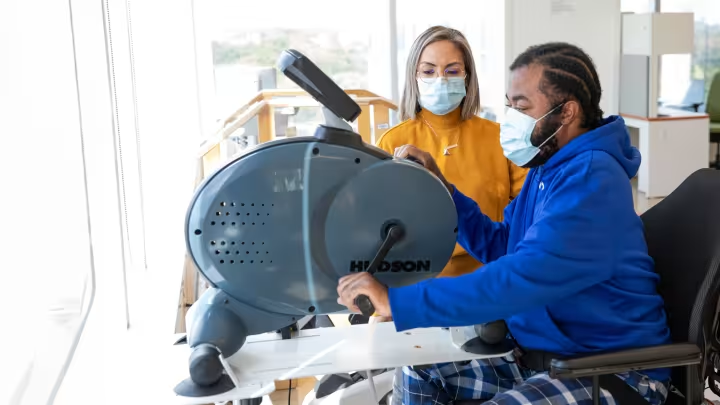
Exercise and move your body
Any kind of exercise or movement may help improve your mood. Movement can also help symptoms that can make depression worse, like pain and fatigue. To be more active:
- Choose a pleasant activity that fits your health and fitness level
- Start slowly with light exercise and movement, such as walking
- Even 10 minutes a day can help
- Slowly increase the amount of time you move and make your movements more challenging
- Track your progress and consider wearing a step tracker if you have one
Safety tips for exercise:
- You can exercise at any time during or after treatment
- Talk to your health-care team about how to exercise safely
- Stop and rest if you feel a lot of pain or nausea, or if you have trouble breathing
Improve your sleep
Feeling rested can help improve your mood and give you more energy. To sleep better:
- Make time early in the day to think about stressful things that may keep you up at night
- Go to bed and wake up at the same time each day
- Turn off all screens (TV, tablets, computers, etc.) at least one hour before going to bed
- Choose relaxing activities like reading, meditation or listening to quiet music before bed
- Get out of bed if you have trouble falling asleep, and only go back to bed when you feel you may be able to fall asleep
Try relaxing activities
Relaxing your mind and body can ease your stress and help keep your mind calm. Many activities can be done on your own with no equipment. Here are some relaxation activities or treatments to try:
- Mindfulness meditation (a way to feel calm by paying special attention to your mind and body)
- Massage
- Yoga
- Acupuncture (thin needles put into different points on your body to help relieve symptoms)
- Talk to your health-care team before starting acupuncture
- Hypnosis
- Music or art therapy
- Deep breathing
- Guided imagery (imagining yourself in a pleasant, calm place)
Key points
If you feel like you want to harm yourself, call 911 or get other help right away.
- You are not alone
- Depression is an illness that can and should be treated
- Treatment for depression may include both counselling and medicine
- Let friends, family and your community support you in any way you need
- You can help yourself feel better by getting good sleep, eating well and exercising, among other things
Where to get more information
The Canadian Cancer Society is a trusted source of information. Visit cancer.ca or call 1-888-939-3333.
Visit the websites below for more information and support.
For more information on this symptom, or for guides to help manage other symptoms, visit Managing Symptoms, Side Effects & Well-Being.
If you need this information in an accessible format, contact 1-877-280-8538, TTY: 1-800-855-0511, or [email protected].
The recommendations in this guide are based on published evidence and expert consensus.
This patient guide was created by Ontario Health (Cancer Care Ontario) to provide patients with information about depression. It should be used for information only and does not replace medical advice. This guide does not include all information available about managing depression. Always ask your health-care team if you have questions or concerns. The information in this guide does not create a physician-patient relationship between Ontario Health (Cancer Care Ontario) and you.