




How to Manage Fatigue
What is fatigue?
Fatigue is extreme tiredness and lack of energy that does not get better with rest or sleep. It is the most common symptom for people with cancer. Fatigue can also make you feel:
- Weak, heavy or slow
- Like you cannot think or remember things
- Like you cannot do your usual activities or spend time with your loved ones
Fatigue can come and go over time. It is usually worse when you are getting cancer treatments.
What causes fatigue when you have cancer?
Your fatigue may have many causes, such as:
- Cancer treatments, such as surgery, chemotherapy or radiation therapy
- Medications, such as opioids, antihistamines and antidepressants
- Pain
- Depression, anxiety or emotional distress
- Anemia (low red blood cell count)
- Sleep problems
- Dehydration (not enough fluids in your body)
When to talk to a health-care provider about fatigue
Talk to your health-care team at your next appointment if fatigue is causing you distress or getting in the way of your daily life.
Contact your health-care team right away if you suddenly feel:
- Dizzy, like you are losing your balance or about to fall
- Short of breath or notice your heart beating fast
- Confused or have more difficulty thinking clearly or concentrating
There is no medication that is recommended for cancer fatigue. Your health-care team can help you create a plan to manage your fatigue using other strategies.
How to manage your fatigue
Start with small changes and set easy, realistic goals. If you have advanced cancer, speak with your health-care provider about managing fatigue. Some of the advice in this guide may not be useful for people with advanced cancer.
Exercise during and after your cancer treatments
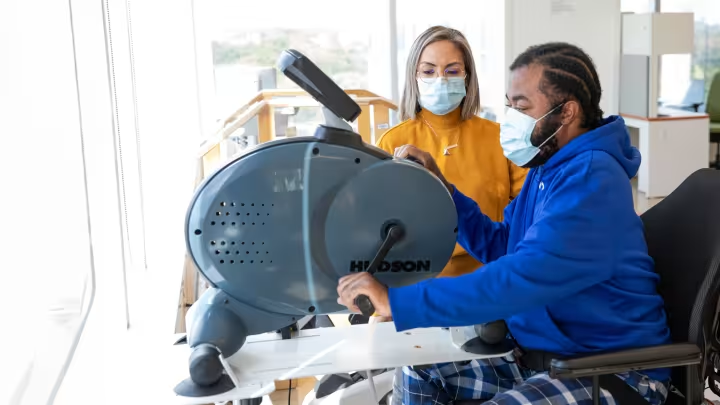
Regular movement or exercise is one of the best ways to help with fatigue from cancer. Resting too much when you have fatigue can make the fatigue worse. Regular exercise or movement can:
- Give you more energy
- Improve your mood
- Strengthen your muscles and balance
If you had an exercise routine before your cancer treatments, check with your health-care team to make sure it is safe to continue.
If you are just starting to move your body more often, try to:
- Start slowly with something like walking at a mall or walking your dog
- Start with five to 10 minutes of movement and repeat it throughout the day
- Over time, move for longer and make your activities a bit more challenging
- Aim for about 30 minutes of movement a day, five times a week
- Keep track of your progress with a journal or a step tracker
If you struggle with standing or balance, try:
- Seated yoga or Pilates
- Using an indoor exercise bike
- Using an arm cycle or resistance bands
- Swimming or water aerobics
Be safe
Stop and rest if you ever feel sore, stiff or short of breath. Talk to your health-care team if you have metastatic cancer in your bones.
Save your energy when you can
The following strategies can help you save energy so you can get the most out of your day.
Plan your activities
- Make a daily list of activities, including fun things and tasks you need to do
- Put the activities that are most important to you at the top of your list and do them first
- Rearrange or get rid of tasks as needed
- Listen to your body and stop if you get too tired
Pace your activities based on your energy level
- Break your activities down into smaller tasks instead of doing them all at once
- Alternate activity with rest, for example, 10 minutes of activity followed by 10 minutes of rest
- Do your most important tasks when you have the most energy
- Plan rest days after a day when you have a lot of activities or outings
Use supports or devices to make activities easier
- Use walking aids, such as handrails, grab bars, a cane or walker
- Use reachers for grabbing items and rolling carts for moving things around
- Keep the household items you use every day in easy-to-reach places
Eat and drink to keep up your strength
Focus on protein and get as many nutrients as you can. Eat small meals and snacks throughout the day. Choose more protein-rich foods like chicken, fish, nuts and beans to help with muscle strength.
Stay hydrated. Drink six to eight glasses of water or unsweetened, clear drinks each day, unless you have been told to drink less.
Ask to speak with a dietitian if you need help with eating and drinking.
Make preparing food as easy as you can:
- Cook when you have the most energy
- Make extra food to keep in the freezer
- Buy healthy but convenient foods, such as pre-cut fruits and vegetables
- Ask family and friends to bring you meals or do your shopping — people are often looking for ways to help
Improve your sleep
Getting good sleep is important when you have fatigue. Talk to your health-care provider if you are having trouble sleeping. For more information, review our sleep guide for tips.
Where to get more information
The Canadian Cancer Society is a trusted source of information. Visit cancer.ca or call 1-888-939-3333.
For more information on this symptom, or for guides to help manage other symptoms, visit Managing Symptoms, Side Effects & Well-Being.
If you need this information in an accessible format, contact 1-877-280-8538, TTY: 1-800-855-0511, or [email protected].