





Sinai Health launches whole-genome sequencing for kidney disease
A provincial genomics network is bringing the first whole-genome sequencing-based test to Ontario patients, and Sinai Health is playing a key role in its launch, serving as both a sequencing and interpretation site for chronic kidney disease (CKD) testing.
As one of five Ontario laboratories selected as a whole-genome sequencing site for the Provincial Genetics Lab Network (PGLN), Sinai Health plays a critical role in generating foundational genomic data. Other PGLN partner laboratories bring specialized clinical interpretation expertise, ensuring that this genomic information is expertly analyzed, reported and returned through a coordinated provincial model.
For the PGLN’s inaugural chronic kidney disease (CKD) test, launched June 1, 2026, Sinai Health serves in both capacities: it produces the whole-genome sequencing data and interprets it into meaningful results for patients and providers. Only one other site in the province currently offers this test.
This is a major step for the PGLN, which brings together 10 institutions across Ontario to share resources for genetic testing. Together, they are turning a collection of separate institutional services into a coordinated provincial resource. This improves access, reduces duplication, makes reporting more consistent, and helps ensure complex genomic testing reaches patients equitably, no matter where they are in Ontario.
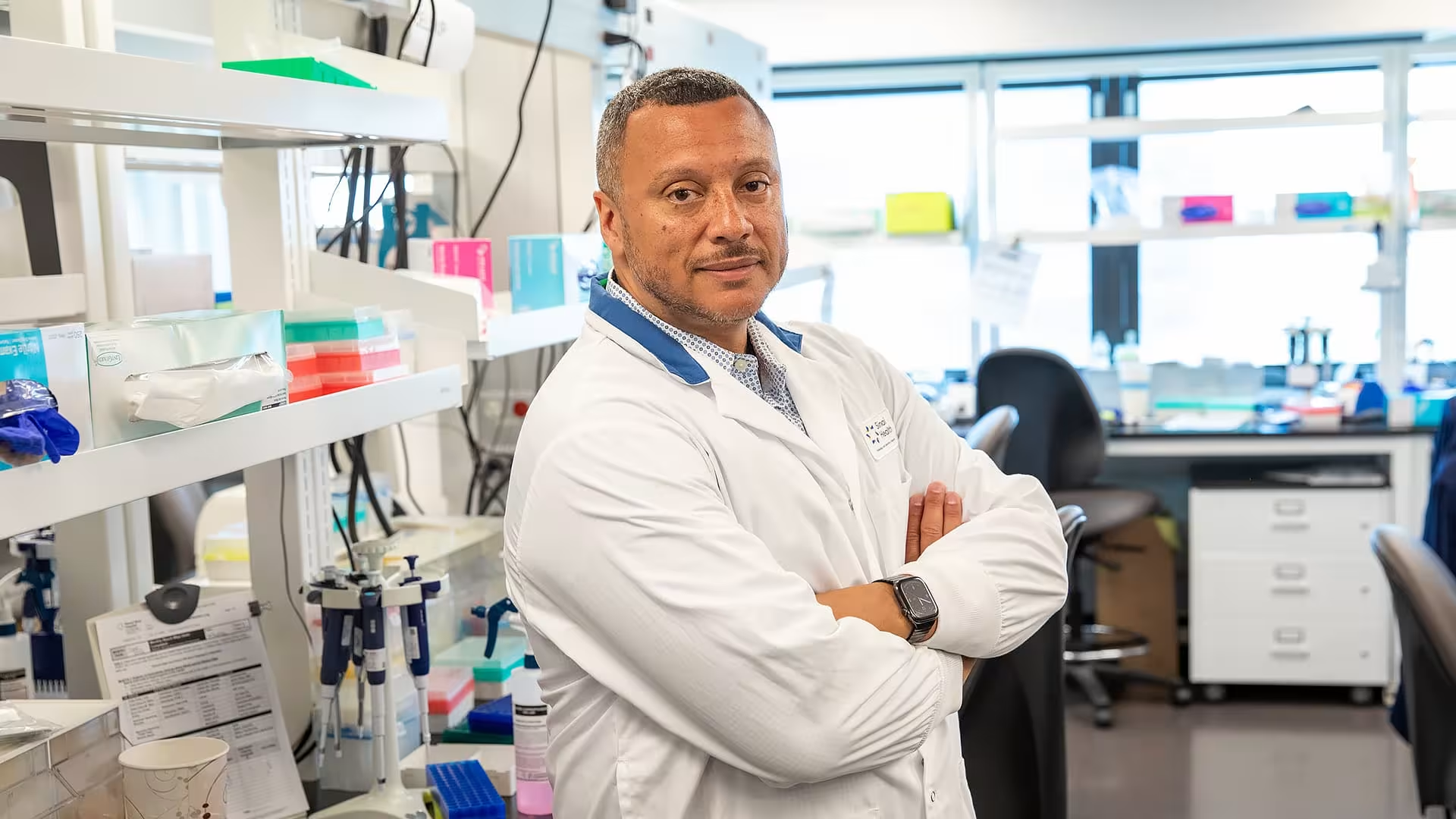
“This is a landmark moment for genomic medicine in Ontario,” said Dr. George Charames, Director of the Advanced Molecular Diagnostics Laboratory at Mount Sinai Hospital’s Department of Pathology and Lab Medicine. “Chronic kidney disease affects roughly 700,000 adults across the province, including many patients who may not yet know the underlying cause of their disease. By launching Ontario’s first clinical whole-genome sequencing test under the PGLN, Sinai Health is helping build a more coordinated, equitable and future-ready model for genetic testing — one that brings advanced genomic medicine closer to the patients and families who need it.”
One genome sequence, unlimited answers
Traditional genetic testing focuses on a single gene or a narrow genetic panel, a group of genes analyzed together. The new CKD test takes a different approach. It starts by sequencing the patient’s whole genome, then analyzes multiple panels covering nearly 400 genes linked to kidney disease.
The patient’s genome only needs to be sequenced once. From that complete data set, clinicians can focus on the genes relevant today, then return to reanalyze the same data again as new disease genes are discovered or new clinical questions arise. This means a patient sequenced today can still benefit from discoveries made years later, without having to be retested.
“Whole-genome sequencing changes the way we think about genetic testing,” Dr. Charames said. “Instead of returning to the laboratory again to ask one narrow question at a time, we can sequence once and use that information to answer focused clinical questions today, while preserving the opportunity to reanalyze the data as new genes, new evidence and new patient needs emerge. For patients with kidney disease, where the diagnosis can affect surveillance, treatment, transplant planning and family testing, that is incredibly powerful.”
A foundation for discovery
The new CKD test is an important first step for patients and families living with kidney disease. They may now get more complete and precise genetic information to help guide their care.
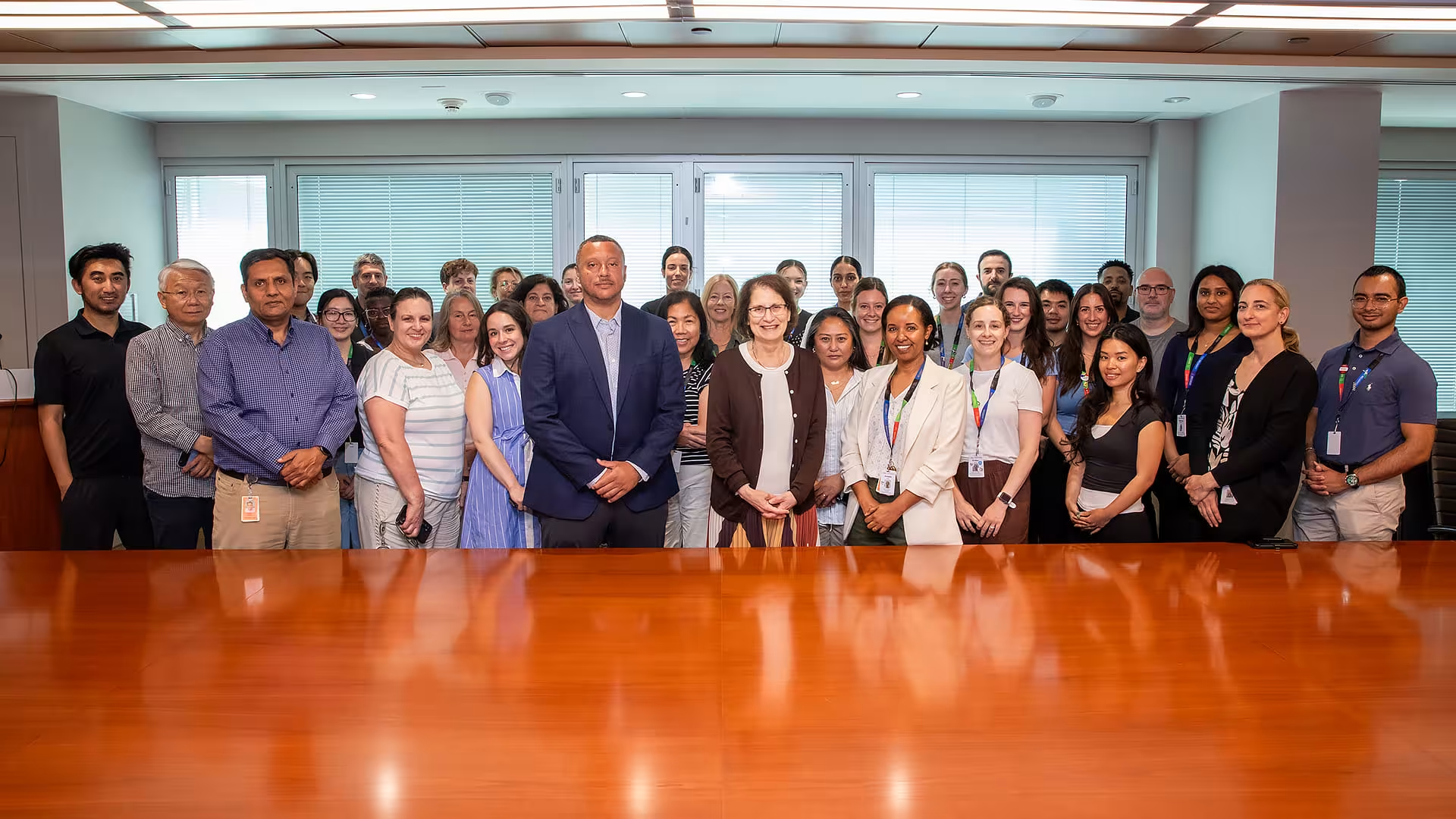
“This achievement reflects an extraordinary team effort across Sinai Health,” said Dr. Charames, “including medical laboratory technologists, laboratory genetic counsellors, genome variant analysts, lab information system (LIS) specialists, quality experts, bioinformaticians, hospital administrators and clinical laboratory geneticists.
“The CKD test creates the blueprint for how Ontario can expand whole-genome sequencing into other areas of medicine,” Dr. Charames added. “For patients and families living with kidney disease, including those facing dialysis, transplant planning or years of uncertainty, this kind of infrastructure has the potential to improve diagnosis, guide care and support better outcomes across the province.”
Building the infrastructure and the provincial blueprint
Reaching this milestone took significant capital investment and months of strategy, development, validation and collaboration across Sinai Health. The team built the clinical, laboratory, bioinformatics, quality and interpretive infrastructure needed to deliver whole-genome sequencing as a standard of care for patients in a clinical setting.
Sinai Health also played a broader leadership role beyond the lab. The team sat on all six PGLN working groups, helping guide decisions and design the standards other sites across the province will follow. Sinai Health led the Technical Specifications Working Group and developed the privacy and data de-identification framework that now governs how genomic information is shared and protected across sites.
Related news and stories
View all News and Stories


