




Earliest delivery of gene therapy in Canada changes future for baby David
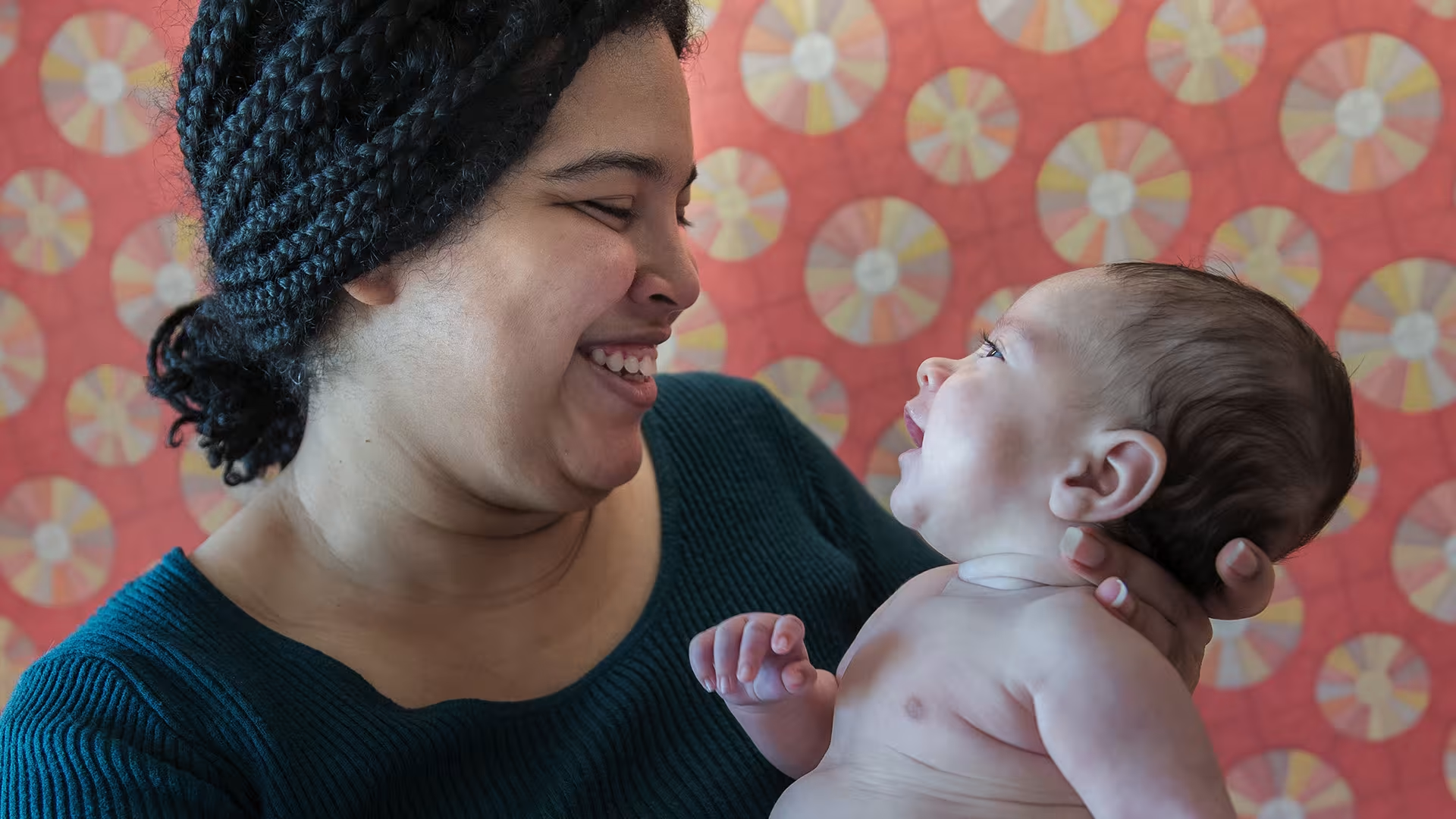
An infant diagnosed in utero with Spinal Muscular Atrophy (SMA) received gene therapy four days after birth, thanks to coordinated effort between Mount Sinai Hospital and The Hospital for Sick Children (SickKids).
Just four days after he was born at Mount Sinai Hospital earlier this year, baby David received a gene therapy to treat SMA at SickKids — the earliest delivery of this treatment to date in Canada.
SMA is a genetic condition that causes muscles to weaken and waste away due to neuron cell damage in the spinal cord and brainstem. There are three types of SMA: Type 1 is the most severe, with patients rapidly developing respiratory problems and feeding challenges that can lead to premature death.
David’s parents, Alexandro and Grismaris, already had a nine-year-old child with SMA Type 1 when they learned they were expecting again.
“We were happy to have the opportunity to have another child, but I was also nervous about potentially caring for two children with the same condition,” says David’s mom, Grismaris.
During the pregnancy, the Genetics team at Mount Sinai confirmed David had SMA through prenatal screening. This diagnosis enabled the team to determine the safest timing for delivery.
“We know that with SMA, early treatment is critical to dramatically change the course of the disease,” says Dr. Hernan Gonorazky, staff physician and Director of the Neuromuscular Program at SickKids. “When we intervene before symptoms appear, we give patients a better chance of preserving muscle function and reaching developmental milestones. Since David was diagnosed in utero, we had the opportunity to plan for the best possible outcome by inducing early delivery.”
Collaboration made success possible
To ensure David could receive treatment without delay, Elisa Nigro, a specialized nurse practitioner in the Neuromuscular Program at SickKids, helped coordinate needs between SickKids and Mount Sinai teams.
More than half of the pregnancies Mount Sinai cares for each year are considered to be high risk. Leaning on this expertise in caring for high-risk pregnancies, the recommended delivery time for David was 35 weeks.
Timing was everything: the therapy had to be given within a narrow window of time to maximize its effectiveness.
“As neonatologists, our goal is to develop collaborative models that optimize delivery timing and shorten the interval between birth and administering gene therapy,” says Dr. Adel Mohamed, neonatologist at Mount Sinai Hospital. “This approach maximizes the potential of these treatments for infants with serious genetic diseases.”
From there, interdisciplinary teams at Mount Sinai, and the SickKids neuromuscular team, held several meetings to develop a comprehensive care plan, spanning from delivery through to transfer for gene therapy. Mount Sinai’s neonatal intensive care unit, Pharmacy, Lab, Paediatrics, Obstetrics and Genetics teams collaborated on delivery timing strategy, paediatric consultation, delivery and transfer of care.
Most babies with SMA are diagnosed through newborn screening and are typically treated between 14 to 21 days of life after birth. Through close coordination between the two hospitals, David was safely delivered by Cesarean section at Mount Sinai, and received the gene therapy at SickKids at only 36 weeks and two days premature.
“It’s our responsibility to use novel treatments and advancements to do better for patients and families – that was the inspiration to do things differently for David. Working together with Mount Sinai, we’ve proven that we can,” says Nigro.
Setting a new precedent for the future
His early treatment marks a significant step forward – not only for families expecting babies with SMA, but for the future of early intervention in other genetic conditions. It’s an example of Precision Child Health, a movement at SickKids to deliver individualized care to every child by finding better ways to predict, prevent, diagnose, and treat disease.
“The aim is to look beyond specific conditions and evaluate if, how and when gene therapies can be transformative for children with genetic conditions,” says Gonorazky.
“Through institutional collaboration we were able to bring together our collective expertise,” says Dr. Prakesh Shah, Paediatrician-in-Chief at Mount Sinai Hospital. “These shared learnings pave the way for improved standards of care that support the best possible outcomes for newborns with SMA.”
While ten-month-old David will continue to be closely monitored, he has responded well to treatment so far and is meeting developmental milestones. For Alexandro and Grismaris, this means a whole new future to dream of.
“It’s a big change for us. The doctors say that we now have to get used to caring for a child without SMA. I almost can’t process it in my mind – I just thank God,” says Alexandro.
This story has been adapted from its original version. See the original story here.
Related news and stories
View all News and Stories


