





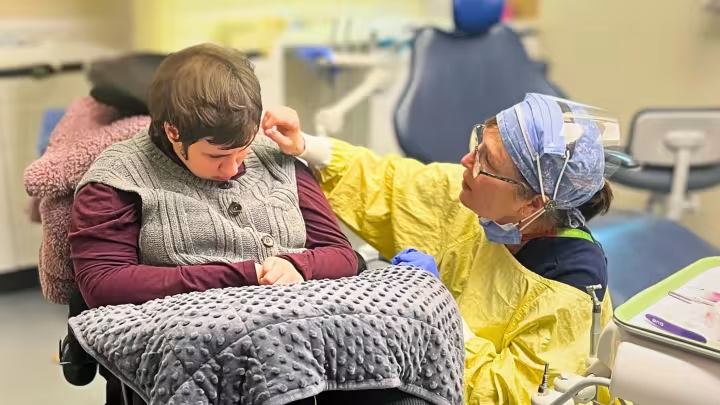


“ABCDS”: Five essential tips to support healthy aging
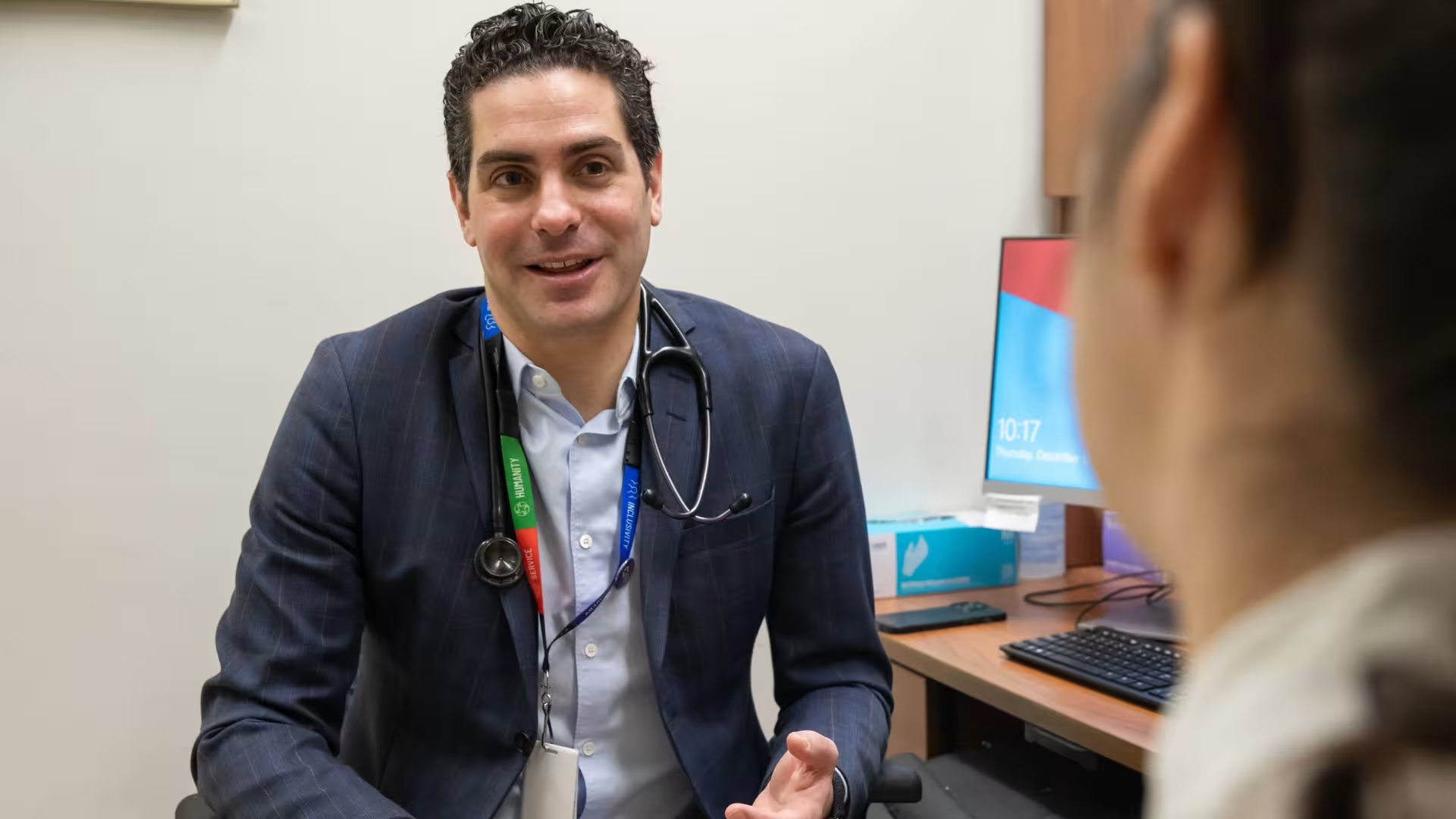
Adopting and maintaining healthy habits can enhance the quality of life for adults 65 years of age or older. Dr. Nathan Stall, Geriatrician, Clinician Scientist and Geriatrics Site Lead at Sinai Health, offers some guidance about what older adults can do to stay as active, independent and healthy as possible.
Canada’s population is aging rapidly – nearly one in five Canadians is now over 65, and that number is expected to rise to almost one in four by 2030. With this shift comes an increase in serious diseases such as cancer, cardiovascular diseases, dementia, and diabetes. But many of these illnesses can be delayed, managed or even prevented through adoption of healthy lifestyle habits.
“Healthy aging is the process of maintaining and optimizing physical, mental, and social well-being throughout life to ensure a good quality of life and independence in older age. Further, healthy aging doesn’t mean the absence of disease or disability,” said Dr. Stall. “It also includes how to live with those diseases and disabilities to maximize function, independence, quality of life and wellbeing.”
Dr. Stall recommends a simple framework called the “ABCDS” to help patients remember five key tips that promote healthy aging: Activity, Blood pressure, Connection, Diet and Sleep.
A – Activity: At least 150 minutes per week
Regular movement is one of the best ways to stay strong, healthy and independent. “Older adults should aim for at least 150 minutes of moderately vigorous activity per week,” recommends Dr. Stall. “It’s also important to pursue exercises that focus on strength and balance training to reduce the risk of falls.”
Activities like walking, swimming, and dancing can help maintain muscle strength, flexibility, and balance. Always check with your health care provider before starting new activities to ensure they are safe and suitable for your abilities.
B – Blood pressure: Know your numbers
High blood pressure can quietly increase the risk of heart disease, stroke, kidney problems, and dementia. Regularly monitoring – at routine checkups and at home – helps identify potential issues early. Conversely, overtreatment of blood pressure can increase the risk of falls, fractures and fainting.
“It’s important to work with your primary care provider or clinician to target the right blood pressure for you,” said Dr. Stall. “This may involve both non-medication and medication approaches.”
Small changes, such as reducing salt intake, managing stress, and staying physically active, can have a big impact on heart health.
C – Connection: Stay socially active
“Loneliness and social isolation are associated with increased all-cause mortality, and the development of diseases like dementia,” notes Dr. Stall. “Looking for opportunities to increase social connectivity is of utmost importance.”
Joining community groups, volunteering, or connecting with family members and friends can boost mood and support cognition. Whether it’s a book club, music group or neighborhood walk, maintaining social ties promotes both emotional and brain health.
D – Diet: Choose whole, familiar foods
“I tell my patients two things,” said Dr. Stall. “Eat foods that your grandparent – or great-grandparent – would recognize. Try to shop around the outside of the grocery store, avoid the aisles on the inside. That’s because we’re looking to promote food that is not processed or has a low amount of processed activity.”
Focusing on minimally processed foods like fresh fruits, vegetables, whole grains, tree nuts, and lean proteins supports better health and lowers biological age. Reducing ultra-processed food helps the body maintain vital functions and reduces the risk of chronic disease.
S – Sleep: Quality rest supports body and mind
Sleep is foundational for brain and heart health. “Older adults should have at least 7 to 8 hours of sleep a night,” said Dr. Stall. “Good sleep hygiene means getting sunlight during the daytime, reducing the amount of time you spend in your bedroom outside of going to sleep, and reducing screen time before you do go to sleep.”
Sleep problems such as insomnia and sleep apnea are common in older adults and can lead to fatigue, depression and cardiovascular issues. Be sure to discuss ongoing sleep challenges with your care team.
Leading the way in advancing care for older Canadians
At Sinai Health, we are committed to advancing an Age-Friendly Strategy. Our Geriatrics program offers specialized care across Mount Sinai and Hennick Bridgepoint Hospitals, supporting older adults in staying healthy, active and independent.
Through hospital-based clinics, community partnerships, and home care collaborations, we provide comprehensive physical and mental health support tailored to older adults.
In 2010, Mount Sinai Hospital became Canada’s first academic health sciences centre to make geriatrics a core strategic priority. Together, with the University Health Network, Sinai Health continues to advance education, research, and compassionate care for older adults. As a fully affiliated partner with the University of Toronto, our educational programs offer trainees the tools, resources and learning opportunities they need to provide the best care possible for older adults and their caregivers.
Watch the reel below to hear Dr. Stall walk through the "ABCDS":
Related news and stories
View all News and Stories


